
Kenyans took to social media in force this week, venting fury over revelations that KSh 1.3 trillion had been withdrawn from the National Treasury through manual cash transactions, bypassing the Integrated Financial Management Information System, the government’s primary tool for tracking public spending transparently.
The withdrawals, which took place between July 2024 and February 2025, reportedly covered debt repayments, county transfers, and other government expenditures. However, the lack of detailed documentation accompanying these transactions has raised serious questions about verification and oversight. Critics argue that sidestepping IFMIS, regardless of the reason, defeats the entire purpose of having a transparent public finance system.
Government officials have pushed back, insisting that no money was lost and that all procedures were properly followed. But for many Kenyans already stretched thin by heavy taxation and a mounting national debt, the assurances have done little to calm the storm.
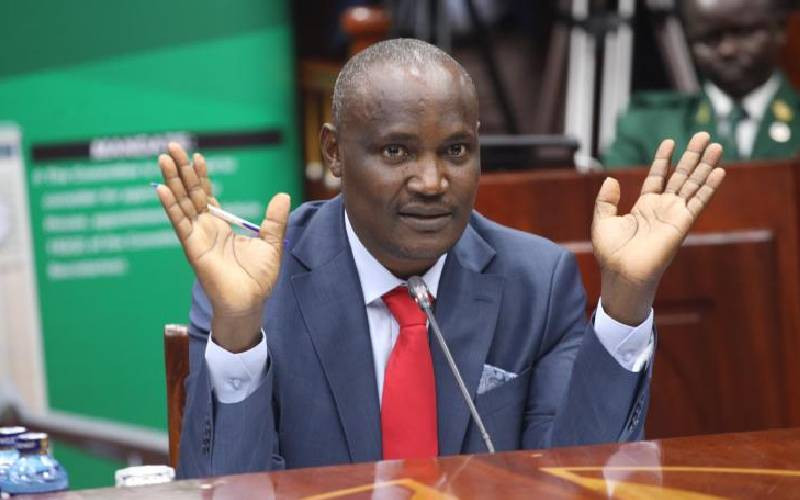
Adding fuel to the fire, Treasury Secretary John Mbadi found himself in a separate controversy after a January court affidavit revealed that a proposed KSh 5 trillion infrastructure fund had not yet been legally incorporated, contradicting statements he had previously made to lawmakers. Calls for his resignation followed swiftly, though Mbadi dismissed them, framing the contradiction as a matter of differing interpretations rather than deliberate misleading of Parliament.
Taken together, both controversies have sharpened public appetite for genuine fiscal accountability at a time when trust in Kenya’s financial governance is running dangerously low.
READ MORE:
Kenya’s Presidential Mercedes-Maybach S560: Specs & Luxury
Start a YouTube Channel in 2026: Beginner’s Step-by-Step Guide
Top Luxury Homes For Sale In Nairobi 2026: Locations, Prices And Investment Insights