
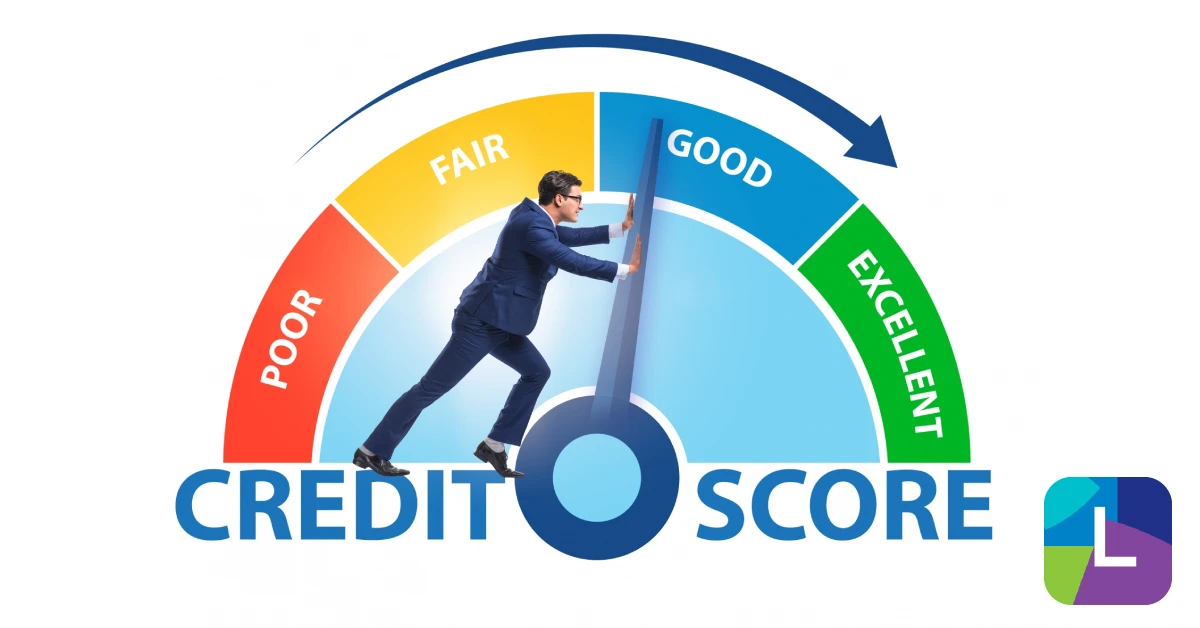
Your credit score is one of those numbers that show up quietly in the background of major financial decisions—your mortgage rate, your car finance terms, and your ability to rent a flat. Yet most people have only a vague sense of what is actually moving it. The good news is that credit scores are not fixed. They respond to your behaviour, and with deliberate action, meaningful improvement is possible within just three months.
Understand What Goes Into Your Score
Credit scores in most countries are calculated using several key factors, though the weighting varies slightly by scoring model. In the United States, the FICO model — the most widely used — weighs payment history most heavily at 35%, followed by amounts owed (30%), length of credit history (15%), credit mix (10%), and new credit inquiries (10%). Knowing what matters helps you prioritise your energy. Payment history and credit utilisation are the levers you can pull most quickly.
Pay On Time, Every Time
A single missed payment can remain on your credit file for up to seven years and can cause a significant drop in your score. If you have missed payments in the past, the good news is that their impact fades over time — and consistent on-time payments from today forward will gradually rebuild your record. Set up automatic minimum payments on every account. You can always pay more manually, but automating the minimum ensures you never accidentally miss a due date.
Bring Your Credit Utilisation Below 30%
Credit utilisation is the percentage of your available revolving credit (mainly credit cards) that you are currently using. If your combined credit limit across all cards is $10,000 and your current balance is $4,000, your utilisation is 40%—which — which credit scoring models view unfavorably. The generally recommended threshold is below 30%, though scoring models tend to reward those who keep it below 10%. You can improve this by either paying down balances or by requesting a credit limit increase without increasing your spending.
💡 If you have a large purchase coming up, consider paying your credit card balance mid-cycle — before the statement closing date — rather than waiting until the due date. This lowers the reported balance and reduces utilisation.
Dispute Any Errors on Your Credit Report
Errors on credit reports are more common than most people expect. A Bankrate study found that a meaningful percentage of consumers find at least one inaccuracy on their report when they check. Incorrect late payments, accounts that are not yours, or debts that have already been settled can all drag down your score unfairly. Pull your credit report from each of the major bureaus—in the US, you can do this free at AnnualCreditReport.com — and dispute any inaccuracies in writing. Bureaus are required by law to investigate and respond.
Avoid Applying for Multiple New Accounts
Every time you apply for credit, the lender runs a hard inquiry, which temporarily reduces your score by a small amount. A single inquiry has minimal impact. But multiple applications in a short period can signal financial distress to lenders and cause a more noticeable dip. During a credit repair period, avoid opening new accounts unless genuinely necessary. If you need to rate-shop for a mortgage or car loan, cluster those applications within a 14 to 45-day window — most scoring models treat multiple inquiries in this window as a single event.
Keep Old Accounts Open
The average age of your credit accounts is a factor in your score. Closing an old credit card — even one you rarely use — reduces your available credit and can shorten your average account age. Unless a card carries an annual fee that outweighs its benefit, the default position should be to keep old accounts open and use them occasionally for small purchases to keep them active.
Become an Authorised User
If someone you trust—a parent, spouse, or close family member—has a long-standing credit card with a good payment history and low utilisation, being added as an authorised user can boost your score meaningfully. You do not even need to use the card. You benefit simply from the positive account appearing on your credit file. This is one of the fastest legitimate ways to improve a thin or damaged credit history.
A credit score improvement is not a one-time event—it is the result of sustained, responsible behaviour. Three months of disciplined attention will move the needle. Three years of it can transform your financial options entirely.
READ MORE: