Cancer patients seeking treatment at Kenyatta National Hospital are facing a growing crisis after a critical radiotherapy machine broke down more than three months ago, leaving many without life-saving care.
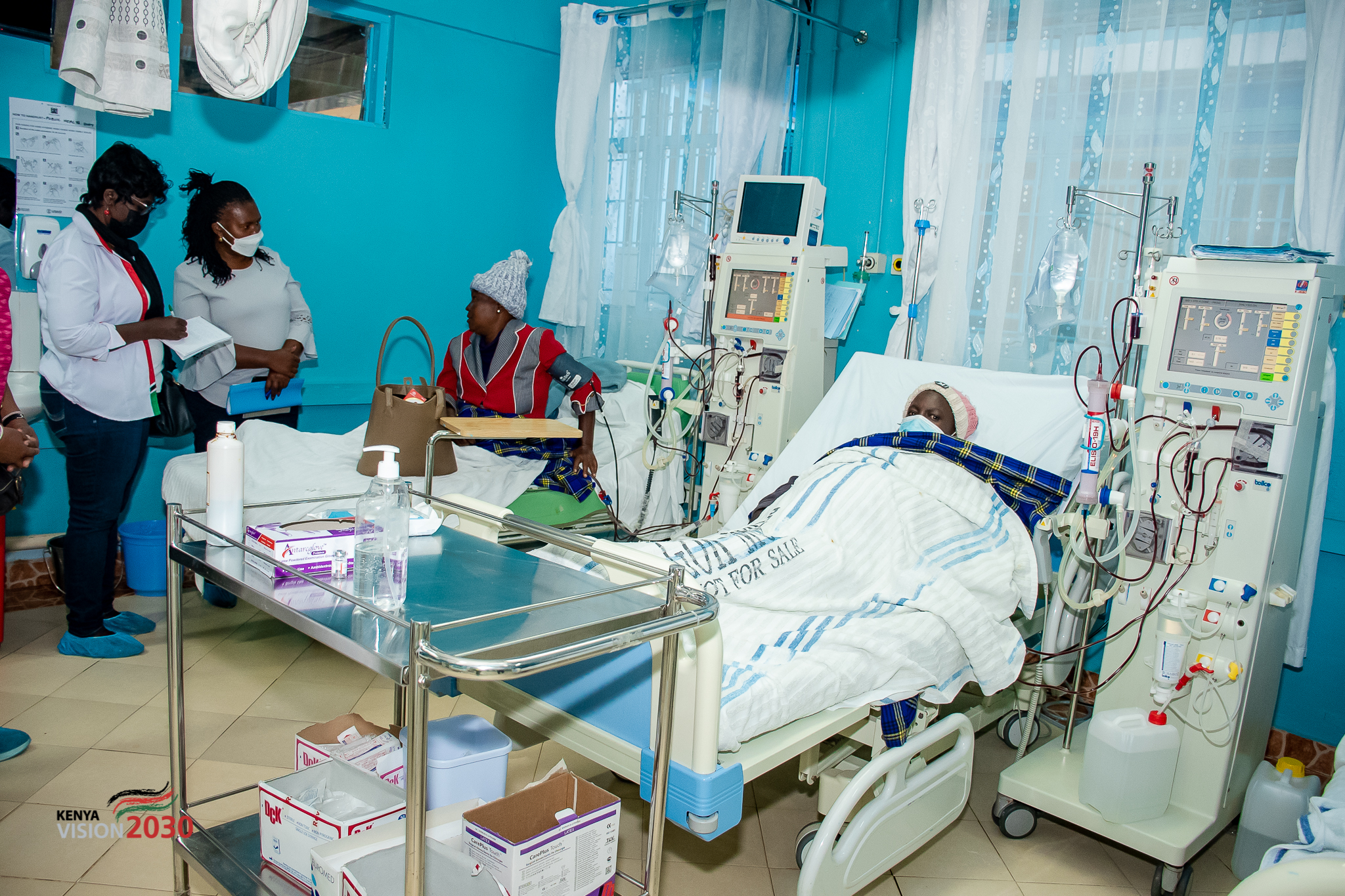
The prolonged breakdown has forced patients to endure long, painful waits, with many missing scheduled treatment sessions. For some, the delay is proving fatal, as their conditions continue to deteriorate while they wait for the machine to be repaired.
Even as patients struggle, attention at the national level appears to have shifted elsewhere. The government has been preoccupied with ongoing management disputes at Nairobi Hospital, a private facility that remains financially out of reach for the majority of those affected.
The contrast has sparked public concern. While authorities mobilised a multi-agency task force involving the Directorate of Criminal Investigations (DCI), Kenya Revenue Authority (KRA), and the Asset Recovery Agency to address issues at the private hospital, patients at the country’s main referral facility have been left waiting for months for a solution.
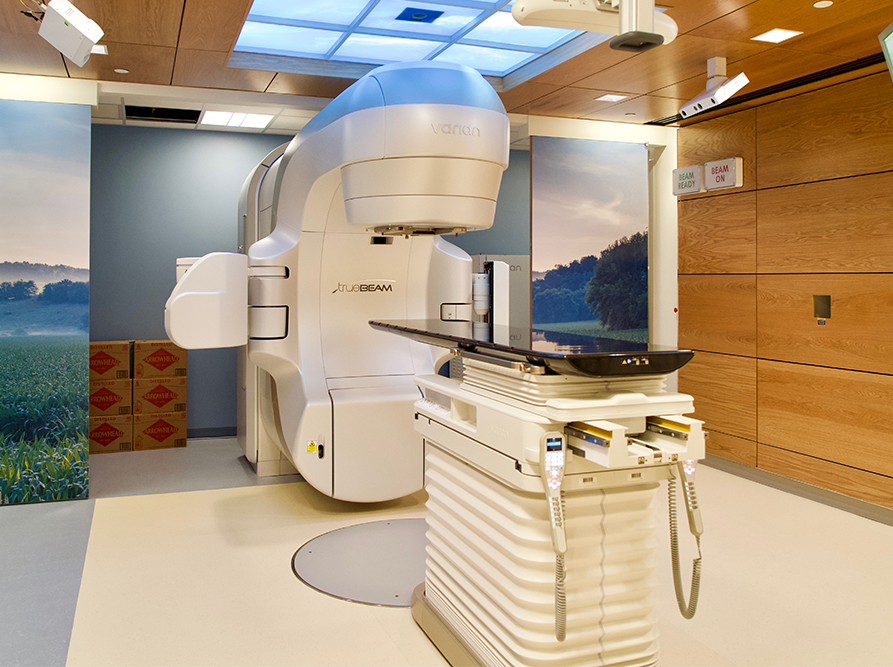
At the centre of the crisis is the Linear Accelerator (LINAC), a vital machine used in radiotherapy to deliver precise, targeted cancer treatment. The equipment, which has been out of service since December, is essential in treating a wide range of cancers and is widely regarded as a cornerstone of modern oncology due to its precision and effectiveness.
For many patients, the cost of seeking treatment in private hospitals is simply unaffordable. Radiotherapy sessions in such facilities come at a high price, placing them beyond the reach of ordinary Kenyans. As a result, missed sessions are not just an inconvenience—they are a matter of life and death.
The ongoing delay in repairing the machine has raised serious questions about President William Ruto’s priorities in the healthcare system, with growing calls for urgent intervention to restore services and prevent further loss of life.