
Budgeting has a reputation problem. People hear the word and immediately imagine spreadsheets, deprivation, and the joyless life of tracking every coffee purchase. It sounds exhausting and restrictive—and so most people never start.
But a budget done right isn’t about restriction. It’s about clarity. It’s the difference between wondering where your money went and actually knowing. Let’s make this simple.
Forget the 30-Category Budget
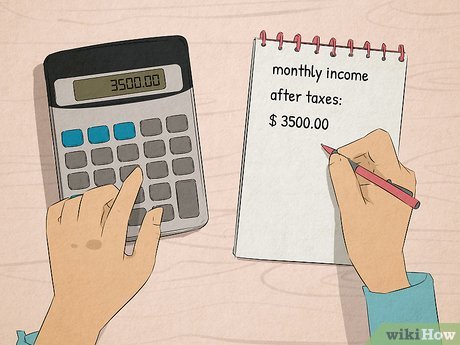
Complex budgets with dozens of spending categories almost never last past the first month. Instead, start with a framework simple enough to remember without looking it up. The 50/30/20 rule is a good starting point: 50% of your after-tax income goes to needs, 30% goes to wants, and 20% goes to savings and debt repayment. These percentages aren’t sacred laws. Adjust the framework to your reality, not some idealized version of your life.
Track Your Spending for One Month
Before you can build a realistic budget, you need to know what you’re actually spending, not what you think you’re spending. Go through your bank and credit card statements from last month and categorize your expenses. Most people are genuinely surprised by at least one category—food delivery apps, subscriptions that quietly auto-renew, impulse shopping, and entertainment costs that sneak up through small daily purchases.
Set Intentional Spending Targets
Once you know where your money goes, you can start deciding where you want it to go. Look at each category and ask yourself, “Does this reflect what I actually value?” If you’re spending $400 a month on dining out but you’d rather be saving for a vacation, that’s information. You get to make a different choice.
Use the Right Tool for How Your Brain Works
Some people thrive with a detailed spreadsheet. Others do better with a budgeting app like YNAB or Monarch Money that links to their accounts automatically. And some people do best with the old-fashioned cash envelope method. There is no universally superior system. The best budgeting method is the one you’ll actually maintain.
Build Irregular Expenses Into Your Monthly Plan
One of the main reasons budgets fail is that people forget about irregular expenses—car registration, holiday gifts, annual subscriptions, and home maintenance. Add up everything you spend annually on irregular items, divide it by 12, and set aside that amount each month into a dedicated sinking fund.
Schedule a Monthly Money Check-In
Spend 20 minutes at the end of each month reviewing your budget. Did you stay within your targets? If not, why? Is the target unrealistic, or did something unexpected happen? Regular check-ins let you catch problems early and adjust before they spiral.
Give Yourself a Guilt-Free Spending Category
Everyone needs a slice of their budget that is completely judgment-free. When you budget for enjoyment on purpose, you stop feeling guilty about it, and you stop needing to impulse-spend to feel better about your finances.
READ MORE:
How To Plan for Retirement: What You Should Be Doing at Every Age
How To Negotiate A Higher Salary: Scripts and Strategies That Work
How To Stop Living Paycheck to Paycheck: A Step-by-Step Approach