One of the most damaging financial myths in Kenya is the idea that wealth building is something you start doing once you’re earning ‘enough.’ In practice, the Kenyans who build meaningful wealth on middle incomes don’t wait until they earn more — they build the habits, systems, and asset base while earning what they currently earn, and the habits compound just as their money does.
Below KSh 100,000 a month in Nairobi, money is genuinely tight. Rent, transport, food, family contributions, and social obligations can consume almost everything before you’ve had a chance to think about saving. But tight is different from impossible, and understanding that distinction is where financial progress begins.
The Maths of Wealth Building on a Kenyan Salary
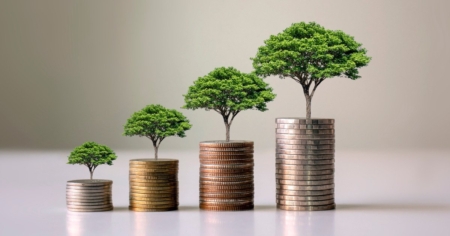
Saving 10% of a KSh 60,000 salary is KSh 6,000 per month. Invested in a money market fund earning 10% per year, KSh 6,000 per month grows to approximately KSh 460,000 in five years and over KSh 1.2 million in ten years—without ever increasing the contribution. These numbers are not exciting in isolation, but they represent the beginning of an asset base that provides financial security, borrowing power, and eventually the ability to make larger investments.
The compounding effect accelerates significantly when the monthly contribution increases—even incrementally—as income grows. This is why the habit matters more than the amount at the start. Someone who builds a consistent saving habit at KSh 60,000 will almost certainly continue and expand it at KSh 100,000. Someone who waits until they earn KSh 100,000 to start will usually wait until they earn KSh 150,000.
The Wealth Stack for a Kenyan on a Middle Income
A practical approach to building wealth on a modest Kenyan salary follows a clear hierarchy. First, build your emergency fund — at least three months of expenses in a money market fund, completely separate from your day-to-day spending. This foundation prevents financial shocks from becoming debt crises, which is what keeps most Kenyans stuck.
Second, join a SACCO and contribute consistently—even if it’s KSh 2,000 per month. SACCO membership builds savings, earns dividends, and—critically—gives you access to loans at rates that no bank can match. The borrowing power you build in a SACCO is one of the most valuable financial assets a middle-income Kenyan can develop.
Third, once your emergency fund is established and your SACCO contributions are consistent, direct any additional savings into either an NSE investment account, a money market fund for medium-term goals, or a SACCO housing loan to begin building property exposure.
The Non-Financial Investments That Pay the Highest Returns
On a modest income, investing in your own earning capacity often delivers higher returns than any financial instrument. A professional certification, a marketable technical skill, improving your English or communication, building a professional network in your industry — these investments pay off through salary increases, promotions, and business opportunities that financial returns cannot match in the short term.
Many Kenyans who have built meaningful wealth from modest beginnings did so through a combination of financial discipline and deliberate career development—they invested in both their money and their ability to earn more of it. The two compounds work together in a way that neither does alone.
Stop Competing With Your Social Circle’s Lifestyle
The single biggest wealth destroyer for middle-income Kenyans is the social pressure to spend at the level of your peer group, particularly in Nairobi, where visible consumption is tied so closely to perceived success. The person whose Instagram shows constant restaurant outings and travel may be carrying more debt than savings. The disciplined saver who drives a modest car and rents a humble apartment may be quietly building an asset base that will give them genuine options in five years. Choosing your own financial timeline over someone else’s social performance is not just good financial advice — it is the most important decision most people make about money.
Read More from CityNews Kenya: