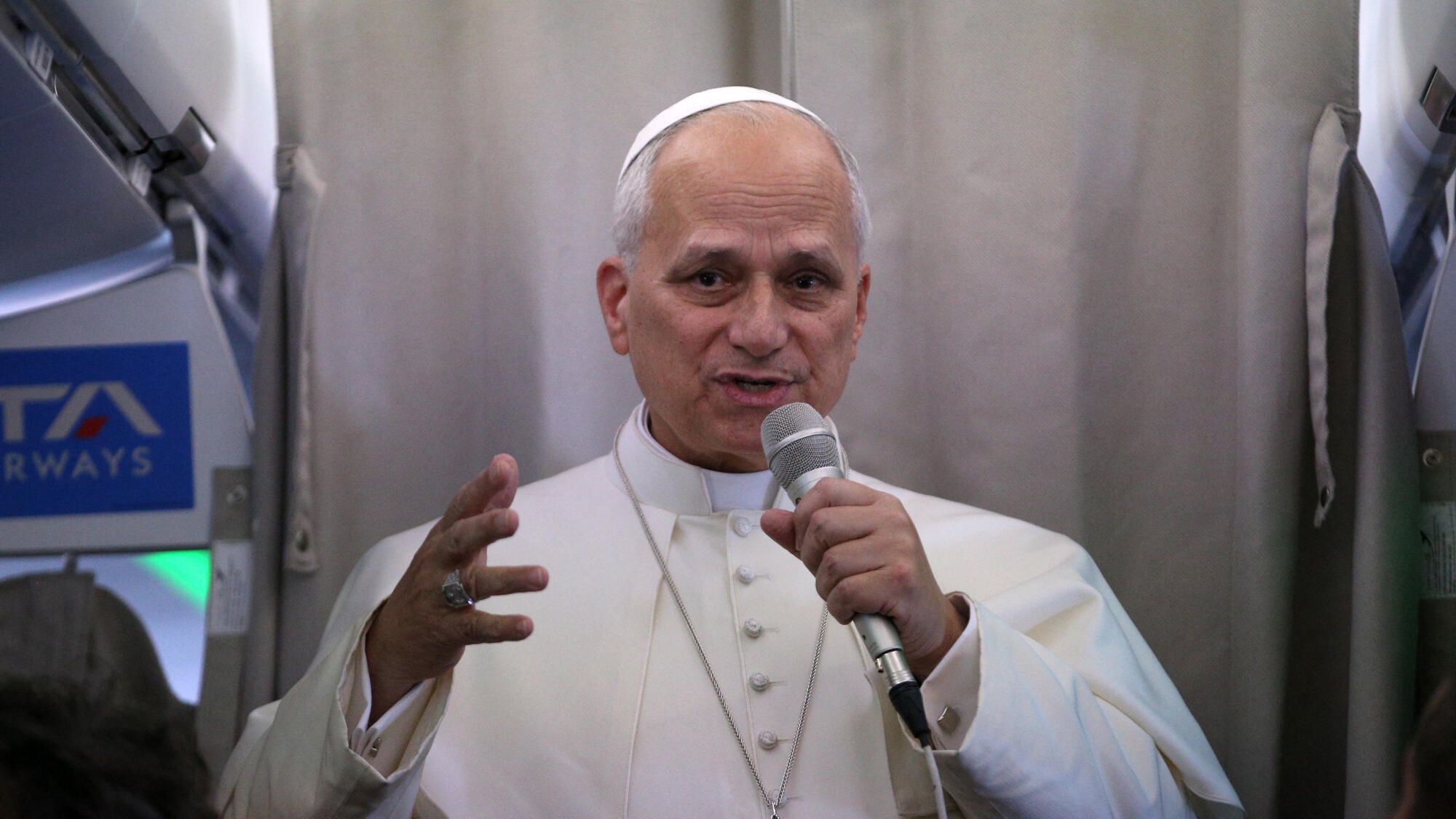
Pope Leo XIV will begin an 11-day tour of Africa on Monday, April 13, visiting Algeria, Cameroon, Angola and Equatorial Guinea in his first major international trip since becoming head of the Catholic Church last year.
The visit, which will cover more than 18,000 kilometres, comes at a time of global uncertainty and will see the 70-year-old address issues ranging from interfaith dialogue and peacebuilding to inequality and human rights.
Over the course of the trip, he is expected to deliver 11 speeches, celebrate seven masses and visit multiple locations before returning on April 23.
In Algeria, where Islam is the state religion, the pope will make history as the first pontiff to visit the country. He is scheduled to tour the Great Mosque of Algiers, meet President Abdelmadjid Tebboune and visit Annaba, home to the Augustinian order to which he belongs.
Cardinal Jean-Paul Vesco described the visit by saying, “a brother who comes to visit his brothers,” while rights groups have urged the pope to raise concerns about religious freedom.
In Cameroon, the focus is expected to shift to peace and reconciliation, particularly in the conflict-hit English-speaking northwest.
The pope will visit Bamenda, the epicentre of the crisis, and meet President Paul Biya. His engagements will also include visits to Catholic institutions such as hospitals and schools, reflecting the Church’s strong presence in the country.
The visit to Angola will centre on economic justice and inequality.
Despite its vast oil and mineral wealth, the country faces widespread poverty. The pope is expected to highlight the need for fairer distribution of resources and stronger anti-corruption efforts.
While many Catholics are anticipating his arrival, some citizens have criticised the cost of the visit.
One resident, Rosa Kanga, said, “At the societal level, it represents nothing, because millions of dollars will be taken from the state treasury to prepare, without bringing any benefits to our country.”
In Equatorial Guinea, Pope Leo XIV will navigate a politically sensitive environment under long-serving President Teodoro Obiang Nguema Mbasogo.
With a large Catholic population, expectations are that the pope will address issues of human rights and social justice while maintaining a careful diplomatic balance.
The trip marks his third international journey outside Italy, following earlier visits to Turkey, Lebanon and Monaco, and is expected to carry significant global and regional importance as the Vatican engages with key issues across the African continent.