Nairobi is one of Africa’s most active ride-hailing cities. Every morning, thousands of Kenyans open the Uber app and request a ride to work, to a meeting, to the airport. Every one of those trips is money going into a driver’s pocket — and that driver could be you.
Joining Uber Kenya in 2026 is one of the most accessible ways to generate a high monthly income without an office job, a boss, or fixed working hours. But like any business, the results you get depend entirely on how smart you are about it. A driver who understands peak hours, vehicle costs, and passenger ratings can take home Ksh 70,000 or more every month. A driver who does not can struggle to clear Ksh 30,000.
This guide covers everything — which car to buy, how to register, what documents you need, what you will realistically earn, and the exact strategies the top-earning Uber drivers in Nairobi use every single day.
What You Can Realistically Earn on Uber Kenya in 2026
Let us start with real numbers so you can plan properly:
Ksh 3,000–7,000 gross earnings per day for a full-time driver (8–12 hours)
Ksh 1,500–3,500 net daily profit after fuel, maintenance and Uber commission
Ksh 45,000–70,000 realistic net monthly income working 6 days a week
Ksh 70,000–120,000 what strategic top drivers earn — peak hours, high ratings, Uber Comfort
The difference between a Ksh 40,000/month driver and a Ksh 70,000/month driver is not luck — it is strategy. We will cover that strategy in detail later in this article.
Important context: Uber takes a service fee of approximately 25% from every trip fare. That means on a Ksh 600 trip, you receive about Ksh 450. Your real costs on top of that are fuel (roughly Ksh 150–200 per trip depending on distance) and vehicle maintenance (set aside Ksh 5,000–8,000 per month). Managing these costs is everything.
Step 1: Choose the Right Car for Uber Kenya
Your car is your business tool. The wrong car will eat your profits in fuel and repairs. The right car will run quietly and efficiently for years. Here is what you need to know about Uber’s 2026 vehicle requirements in Kenya and which cars give you the best return.
Uber Kenya vehicle requirements in 2026
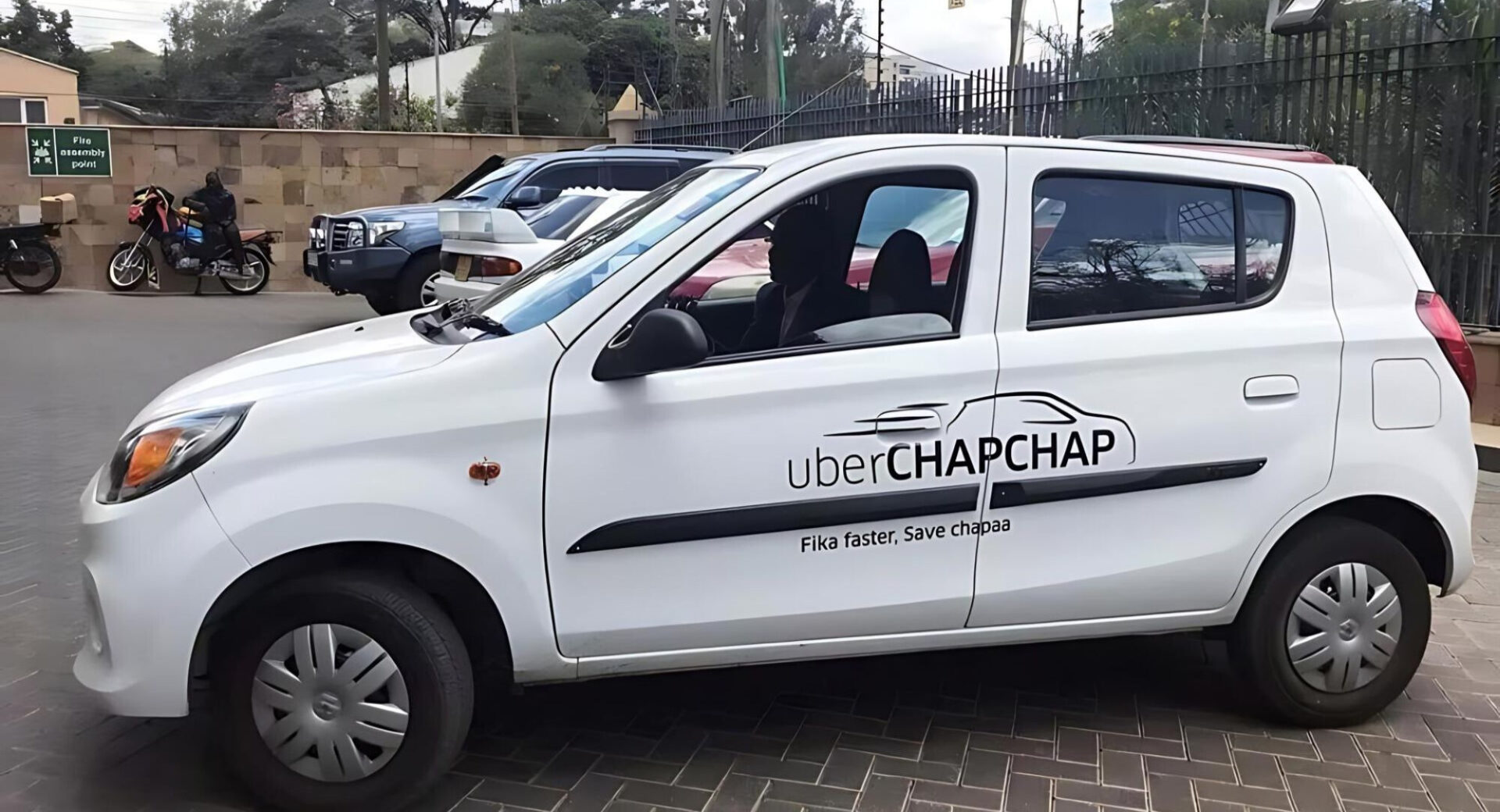
- Uber ChapChap: small hatchbacks with engine capacity of 1300cc or less — model year 2016 or newer (from January 2026)
- Uber X: spacious sedans and station wagons, engine capacity above 1300cc and up to 1800cc — model year 2016 or newer
- Uber Comfort: newer, higher-end vehicles — model year 2018 or newer, 8 years old or less
- All vehicles must be 4-door, in excellent physical and mechanical condition, with seatbelts for all occupants, a rearview mirror, seat covers, a speedometer, and an odometer
- Vehicle inspection required at AutoXpress Kenya Ltd. or Kingsway Tyres before activation
2026 rule change: From January 2026, only 2016 and newer vehicles are eligible to join the Uber platform for ChapChap and UberX. If you are buying a car specifically for Uber, do not buy anything older than 2016 — it will be rejected. UberX and UberXL categories have also been discontinued — the categories now are ChapChap and Uber Comfort.
Best cars to buy for Uber Kenya in 2026
These models combine low fuel consumption, reliability, affordable spare parts, and Uber eligibility:
Toyota Vitz (2016–2020): Uber ChapChap eligible. Fuel: 18–22km/L. Parts widely available. Price: Ksh 650,000–950,000 used. Best starter car.
Mazda Demio (2016–2020): Uber ChapChap eligible. Fuel: 18–20km/L. Comfortable interior, good ratings. Price: Ksh 700,000–1.1M used.
Toyota Axio / Fielder (2016–2020): Uber X eligible (above 1300cc). Spacious, extremely reliable, easy to maintain. Price: Ksh 900,000–1.4M used.
Honda Fit (2016–2020): Uber X eligible. Fuel efficient, smooth ride, passengers love it. Price: Ksh 850,000–1.3M used.
Toyota Allion (2016–2018): Uber Comfort eligible. Premium feel = higher fares + better tips. Price: Ksh 1.4M–2.2M used.
Best value pick: The Toyota Vitz or Mazda Demio for ChapChap is the smartest entry point. Low purchase price, lowest fuel cost in Nairobi traffic, parts everywhere, and reliable enough to run 200,000km+ without major issues. If you can stretch to Ksh 900,000–1.1M, the Toyota Axio unlocks UberX fares which are higher per trip.
How to Finance the Car — Without Draining Your Savings
You do not need to buy the car in cash. Most successful Uber drivers in Nairobi used financing to get started — letting the car pay for itself from trip income. Here are your best options:
- SACCO car loan at 12% per annum — cheapest option if you are an existing member. Monthly repayment on a Ksh 1M loan over 48 months: about Ksh 26,300
- Co-operative Bank car loan at 13–14% — good for employed or self-employed applicants with bank statements
- MOGO Kenya — approves in 12–24 hours, accepts M-Pesa statements. Best if you need speed or have informal income
- Hire purchase through dealer — lower paperwork, 30% deposit required
Key rule for financing a ride-hailing car: Your monthly loan repayment should not exceed 40% of your projected net Uber income. On Ksh 60,000/month net, that means a maximum repayment of Ksh 24,000/month — matching a Ksh 900,000 loan over 48 months at SACCO rates. Do not overstretch.
Step 2: Documents You Need to Register on Uber Kenya
Gather all of these before you begin the online application. Missing documents are the number one reason registrations stall for weeks:
- National Identity Card (original and clear copy)
- PSV (Public Service Vehicle) driving licence — this is different from a regular driving licence. Apply at NTSA via eCitizen if you do not have one. It takes 2–4 weeks and costs about Ksh 3,050
- Good Conduct Certificate from the Directorate of Criminal Investigations (DCI) — apply at Huduma Centre or the DCI headquarters. Costs Ksh 1,050, takes 2–3 weeks
- Certificate of Good Conduct / Safety Screening — Uber conducts their own background check
- Vehicle logbook (for your car)
- Comprehensive insurance certificate — third party alone is not accepted by Uber
- NTSA vehicle inspection sticker — current and valid
- Vehicle inspection certificate from AutoXpress Kenya or Kingsway Tyres (Uber’s approved inspection centres)
- Profile photo — clear, front-facing, good lighting, no sunglasses, no hats
- Smartphone — Android or iPhone capable of running the Uber Driver app
Timeline tip: The PSV licence and Good Conduct Certificate are the slowest documents — both take 2–4 weeks. Apply for both immediately, then gather the rest while waiting. Total preparation time before you can go live: 3–5 weeks if you start today.
Step 3: How to Register on Uber Kenya — Step by Step
Step 1 — Sign up online
Go to uber.com/ke/en/drive and click “Sign Up to Drive”. Enter your email address, phone number, and create a password. You will receive a verification code via SMS.
Step 2 — Upload your documents
Upload clear photos of all required documents through the Uber Driver app or the online portal. Make sure photos are sharp and unobstructed — blurry uploads are rejected automatically and restart the clock on your application.
Step 3 — Complete vehicle inspection
Take your car to the nearest AutoXpress Kenya Ltd. or Kingsway Tyres outlet for the Uber-required vehicle inspection. They check that the car is in roadworthy condition and meets Uber’s safety standards. Cost: approximately Ksh 1,500–2,500.
Step 4 — Complete the safety screening and certification session
Uber Kenya requires all new drivers to complete a safety screening and an in-person or online certification session before activation. Visit an Uber Greenlight Hub in Nairobi (located in Westlands) to complete this step and get any registration questions answered in person.
Step 5 — Get activated and go online
Once all documents are verified and the inspection is complete, Uber activates your account. You will receive a confirmation email and SMS. Download the Uber Driver app, log in, and go online. Your first trip request can come within minutes.
Step 4: How to Earn Ksh 70,000+ Per Month — The Strategies That Actually Work
This is where most Uber guides stop. This guide does not. Here is the exact playbook that separates Ksh 70,000/month drivers from Ksh 35,000/month drivers in Nairobi:
1. Master peak hours — this is your most powerful lever
Peak hours are when surge pricing kicks in, and trip requests flood in. In Nairobi, these are:
- Morning rush: 6:30 am – 9:00 am (Eastlands, South B, Rongai, Athi River — commuters heading to CBD and industrial area)
- Lunchtime: 12:00 pm – 1:30 pm (CBD, Westlands, Karen — business lunches and short errands)
- Evening rush: 5:00 pm – 8:30 pm (the highest-earning window — CBD outbound, Westlands, Upper Hill)
- Friday and Saturday nights: 9:00 pm – 2:00 am (Westlands, Kilimani, CBD — nightlife crowd pays surge pricing)
- Public holidays and events: AFCON matches, concerts, national holidays — surge pricing can be 2–3x the normal fare
Strategy: A driver who does the 6:30 am–9:00 am slot and the 5:00 pm–8:30 pm slot Monday to Friday, plus Friday night, can earn in 5 targeted hours what an unstrategic driver earns in 10 hours. Time your online hours around demand, not convenience.
2. Position yourself in the right zones
Use the Uber app’s heat map to see where demand is building before you drive there. The highest-earning zones in Nairobi in 2026 are:
- Westlands / Parklands: corporate clients, expats, high average fare per trip
- Upper Hill / Upperhill: government workers, corporate offices, airport runs
- JKIA Airport area: airport rides are often long distance and high fare — position here during morning flight departure windows (4 am–7 am) and afternoon arrivals (2 pm–5 pm)
- Karen / Langata: fewer drivers, longer trips, higher fares
- CBD in the evening: maximum volume of outbound trips
3. Keep your rating above 4.8 — it unlocks more trips
Uber’s algorithm prioritises high-rated drivers. A 4.8+ rating means you receive more trip requests in the same zone as a 4.6-rated driver. Each star makes a real income difference. To maintain high ratings:
- Keep the car spotlessly clean inside — passengers notice immediately
- Offer a phone charger (a Ksh 500 USB dual-port charger in the car pays back in 5-star reviews within a week)
- Do not talk on the phone while driving — it is the top complaint in negative reviews
- Confirm the correct passenger before starting — wrong passenger pickups destroy ratings fast
- Greet passengers and confirm the destination — a 5-second professional greeting separates you from 90% of drivers
4. Minimise your fuel cost — it is your biggest expense
Fuel is typically 40–50% of a driver’s operating costs. Every extra kilometre driven without a passenger is money leaving your pocket. To cut fuel waste:
- Never drive more than 3–4km to pick up a passenger — reject long pickups unless it leads to a high-value area
- Avoid idling with the engine running while waiting — park and go offline briefly
- Drive at a steady 60–80km/h on highways rather than accelerating and braking — saves 15–20% fuel
- Service your car every 5,000km — a clean air filter and properly inflated tyres save up to 10% in fuel
- Budget Ksh 400–600 per day in fuel costs as a baseline. Any day you earn above Ksh 2,500 net after fuel is a profitable day.
5. Use Uber Eats to fill the slow hours
Between 10 am and 12 pm, and between 2 pm and 4:30 pm, ride requests drop significantly in Nairobi. Rather than idling, switch to Uber Eats deliveries during these windows. Uber Eats orders are frequent in Westlands, Kilimani, and Upper Hill during office hours. You keep the same car, the same app, and earn additional income without waiting for passengers.
Earnings boost: Drivers who combine rides and Eats deliveries intelligently report 15–25% higher monthly income than riders-only drivers on the same hours.
6. Track everything — run Uber like a business
The drivers earning Ksh 70,000+ track every shilling. Keep a simple daily record of:
- Gross Uber earnings (shown in the app)
- Fuel spent that day
- Any maintenance costs
- Net profit for the day
Review this weekly. If your net profit is below Ksh 2,000/day on a full day, something is wrong — whether it is your hours, your zone, your fuel consumption, or your vehicle maintenance. Numbers tell you what to fix.
Real Monthly Earnings Breakdown — What KSh 70,000 Looks Like
Here are the actual monthly numbers for a driver earning Ksh 70,000 net, working 26 days a month with a smart peak-hour strategy:
Gross Uber trips income: Ksh 140,000 (averaging Ksh 5,400/day over 26 days)
Uber service fee (25%): Minus Ksh 35,000
Fuel costs: Minus Ksh 13,000 (Ksh 500/day x 26 days)
Vehicle maintenance: Minus Ksh 7,000 (servicing, tyres, wear and tear)
Comprehensive insurance: Minus Ksh 7,500 (Ksh 90,000/year divided by 12)
Uber Eats bonus income: Plus Ksh 12,500 (Ksh 480/day during slow hours)
NET MONTHLY TAKE-HOME: Ksh 70,000
This is achievable. It requires 26 working days, strategic peak-hour driving (not random), a fuel-efficient vehicle, and consistent maintenance. It is a real business that rewards discipline.
Should You Also Register on Bolt?
Yes — absolutely. Most top-earning drivers in Nairobi are registered on both Uber and Bolt simultaneously. Having two apps open means:
- You fill the idle time between Uber requests with Bolt trips
- You are not dependent on one platform’s pricing changes or algorithm shifts
- You can compare real-time demand on both apps and chase the busier one
Bolt earnings in Nairobi: Bolt drivers in Nairobi earn approximately KSh 4,000–6,000 per day. Bolt’s commission is 20% versus Uber’s 25%, meaning you keep slightly more per trip on Bolt. Running both platforms adds an estimated Ksh 10,000–20,000 to your monthly income.
The Bottom Line
Joining Uber Kenya in 2026 is one of the most practical paths to Ksh 70,000/month income for any Kenyan willing to work it properly. The barriers to entry are real — you need the right car, the right documents, and 3–5 weeks of preparation — but none of it is complicated.
The key insight most people miss: Uber driving is not a passive income. It is an active business that rewards drivers who treat it like one. Know your peak hours. Know your best zones. Keep your car clean and maintained. Track your numbers every day. Do those four things consistently and Ksh 70,000 a month is not a dream — it is a plan.
Start with one car. Drive it yourself for 6–12 months to learn the business deeply. Once you are clearing Ksh 70,000 consistently, reinvest into a second car and hire a driver — that is how the path to Ksh 150,000+ begins.
READ MORE:
How To Get a Car Loan in Kenya Without a Salary in 2026
How To Get a Car Loan in Kenya in 2026: Best Banks, Rates, and What No One Tells You