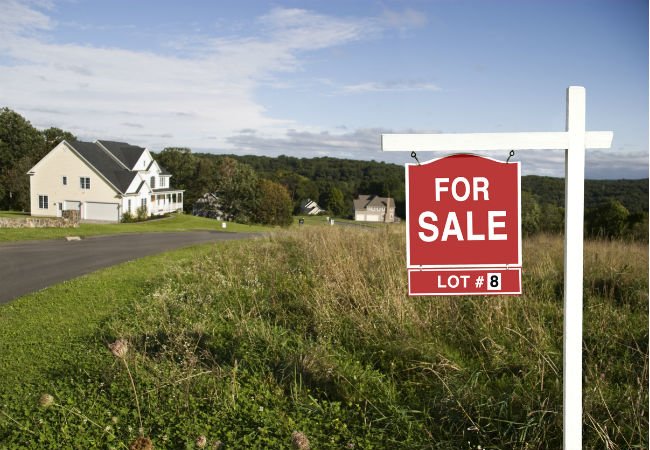
Land is the most desired investment among Kenya’s middle class—and the most dangerous. Every year, thousands of Kenyans lose millions of shillings to fraudulent land deals. Titles get double-allocated, sellers disappear after receiving deposits, and buyers discover their dream plot is in a road reserve or riparian land that cannot be built on.
But buying land safely is not complicated—it just requires following a specific process that most first-time buyers skip because they are excited or pressured. This guide gives you that process, step by step, along with the best areas to buy in 2026 if you are in the Kenyan middle class with a budget of Ksh 500,000 to Ksh 5 million.
Why Land Remains the Best Investment for Kenyans
Despite the risks, land remains an exceptional investment in Kenya for several reasons:
- Land along infrastructure corridors (roads, SGR stations, new highways) has appreciated 100–300% in some areas over the past decade
- Rental yields from land development remain strong—demand for housing outpaces supply significantly
- Land is tangible—unlike stocks or savings, it cannot disappear overnight
- Developer payment plans now allow middle-class buyers to acquire land in installments over 12–60 months without needing a lump sum
Real example: A quarter-acre plot in Syokimau that cost Ksh 800,000 in 2015 is now valued at Ksh 3.5–5 million. That is a 4–6x return in 10 years, far outpacing inflation and bank savings rates.
Best Areas to Buy Land in 2026—Middle-Class Budget
These areas offer the best combination of price, infrastructure growth, and appreciation potential for buyers with budgets between Ksh 500,000 and Ksh 5 million:
Under Ksh 1.5 million per plot (50 x 100 ft)
- Kitengela: A well-established satellite town south of Nairobi. Strong rental demand from workers in the industrial area. Plots from Ksh 600,000 to 1.2 million
- Athi River / Mavoko: Growing fast due to EPZ and industrial zone. Good road infrastructure. Plots from Ksh 700,000 to 1.5 million
- Ngong: Scenic location with a growing middle-class community. Good connectivity to Nairobi. Plots from Ksh 800,000 to 1.5 million
- Ruiru/Juja: Thika Road access, universities, growing commercial activity. Plots from Ksh 900,000 to 1.5 million
Ksh 1.5 million to Ksh 4 million per plot
- Syokimau: High demand, near SGR station and Mombasa Road. Strong appreciation track record. Plots from Ksh 2–3.5 million
- Ruaka: Between Westlands and Kiambu. Very high rental demand. Plots from Ksh 2.5–4 million
- Rongai (off Magadi Road): Growing fast, families moving in. Plots from Ksh 1.5–3 million
- Thika Road Corridor (past Ruiru): Excellent highway access. Plots from Ksh 1.5–3 million
Step 1: Verify the Title Deed—The Most Important Step
Before paying any money, even a deposit, verify the title deed at the Lands Registry. This is a non-negotiable step that most land scam victims skipped.
- Ask the seller for a copy of the title deed and the owner’s ID
- Visit the nearest Lands Registry office (in Nairobi, this is at Ardhi House on Community, off Ngong Road)
- Request an official land search—costs about Ksh 500 and takes 1–3 days
- The search will confirm who legally owns the land, whether there are any charges or caveats on it, and whether the title is valid
- You can also do an online search at lands. go.ke for some land types
Red flag: If a seller refuses to allow you to do a land search before paying a deposit, walk away immediately. No legitimate seller will refuse a title deed search.
Step 2: Verify Land Use and Zoning
Even a genuine title deed does not guarantee you can build on the land. Some plots are in:
- Road reserves—the government can reclaim without compensation
- Riparian reserves—within 30 metres of a river or stream—cannot be developed
- Agricultural zones—restricted to farming only, cannot build residential or commercial
- Public utility land—schools, parks, etc.
To verify, visit the County Government’s Physical Planning office and ask for a zoning map of the area. This is free and takes 1–2 days. You can also hire a licensed surveyor (about Ksh 5,000–15,000) to confirm beacons and boundaries.
Step 3: Hire a Conveyancing Advocate
A conveyancing advocate (property lawyer) is not optional for land purchases above Ksh 500,000. Their job is to:
- Conduct a deeper title search and confirm clean ownership
- Draft the sale agreement and protect your rights as a buyer
- Handle stamp duty payment (4% in urban areas, 2% in rural areas)
- Facilitate the title transfer at the Lands Registry
Advocate fees: Typically 1–2% of the purchase price. On a Ksh 2 million plot, expect to pay Ksh 20,000–40,000 in legal fees. This is cheap insurance against losing Ksh 2 million.
Step 4: Confirm the Survey Number and Beacons
Every legitimate plot has a survey number and physical beacons (concrete markers) at the corners. Before completing any transaction:
- Confirm the survey plan at the Survey of Kenya offices in Nairobi
- Hire a licensed surveyor to locate the beacons on-site—this confirms you are buying exactly what is on paper
- If beacons are missing or have been moved, do not proceed until they are restored
Step 5: Pay Stamp Duty and Transfer the Title
Once all verifications are complete and you are satisfied:
- Sign the sale agreement through your advocate
- Pay the agreed purchase price—always via bank transfer or M-PESA, never cash
- Your advocate will register the stamp duty with KRA (4% of the purchase price in urban areas)
- The title transfer is lodged at the Lands Registry—the new title in your name takes 30–90 days to process
Important: Until the title is in your name, keep all payment receipts and the sale agreement safely. These are your proof of ownership during the transition period.
Buying from Developers on Installment Plans
For buyers who do not have a lump sum, many reputable developers now offer plots on payment plans of 12 to 60 months. Reputable developer platforms include Acorn Holdings, Mi Vida Homes, Centum Real Estate, and several others with track records of title delivery.
- Advantages: no bank loan needed, flexible monthly payments, can start building while paying
- Risks: Some developers delay title transfer—ensure the contract specifies a title delivery date
- Always verify the developer’s track record before committing—search their name on the Kenya Property Developers Association (KPDA) registry
Warning: Never buy land from social media posts or WhatsApp groups without independent verification at the Lands Registry. The majority of Kenyan land fraud originates from these channels.
The Bottom Line
Land buying in Kenya is safe when you follow the right process—verify the title, check the zoning, hire an advocate, and confirm the survey. Skipping any one of these steps is how people lose their life savings. Take your time. Legitimate sellers will not rush you.
For middle-class Kenyans with Ksh 500,000 to Ksh 2 million, the best value in 2026 is in Kitengela, Athi River, Ngong, and Ruiru—all accessible satellite towns with strong growth momentum and genuine development happening on the ground.
READ MORE:
Best Money Market Funds in Kenya 2026: How to Invest Ksh 5,000 and Earn More Than Your Bank
How To Get a Car Loan in Kenya in 2026: Best Banks, Rates, and What No One Tells You
How To Clear Your Fuliza Balance Without Stress—Step-by-Step Guide 2026