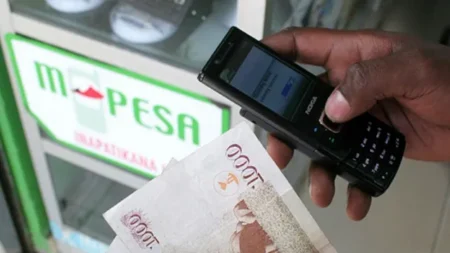
Kenya has one of the most dynamic informal and entrepreneurial economies in Africa. The gig economy is thriving, digital platforms have created genuine income opportunities that didn’t exist five years ago, and the combination of widespread smartphone ownership and M-Pesa’s dominance in digital payments means that turning a skill or idea into income has never been more accessible.
With youth unemployment still a serious challenge and the cost of living in Nairobi continuing to rise, a side hustle isn’t just a nice-to-have—for many Kenyans, it’s the bridge between surviving and actually building something. Here’s how to approach it intelligently.
Start With What You Already Know How to Do
The fastest path to side hustle income is monetising a skill you already have rather than learning something new from scratch. If you’re a trained accountant, offer bookkeeping services to small businesses. If you’re a teacher, tutor students online or in person. If you’re strong in design, start on Canva and build a portfolio on Fiverr or local Facebook groups. The quickest money almost always comes from existing expertise applied to a paying problem.
Local platforms and Facebook marketplace groups have made it very easy to offer services within Nairobi without any formal marketing budget. A well-written post in the right community group—describing what you do and who you can help—is often enough to land your first client. Done correctly and with genuine quality, word of mouth does the rest.
The Digital Income Opportunities That Are Actually Working in Kenya Right Now
Freelance writing and content creation for local and international clients is one of the most accessible digital income streams—platforms like Upwork, Fiverr, and ProBlogger connect Kenyan writers with paying clients globally. Virtual assistance, social media management, data entry, and online tutoring are all areas with consistent demand and relatively low barriers to entry.
YouTube content creation in Swahili and local dialects has grown significantly, with creators building substantial audiences and monetising through AdSense, brand sponsorships, and digital products. The investment is primarily time rather than money in the early stages. The same applies to growing a WhatsApp broadcast list or a TikTok following around a specific area of expertise — it takes months to see meaningful returns, but the compounding effect of an engaged audience eventually becomes very real.
The Offline Hustles That Still Pay Well
Becoming an M-Pesa agent remains one of the most reliable and profitable offline side hustles in Kenya, with potential monthly earnings of KSh 15,000 to KSh 80,000+ depending on transaction volume and location, though it requires float capital of KSh 50,000 to KSh 100,000 to start. Small-scale retail — buying goods at wholesale and selling through social media or in markets — remains highly active. Car hire and motorcycle courier businesses continue to grow as Nairobi’s demand for last-mile delivery expands.
What Most Side Hustle Advice Gets Wrong
Most articles on side hustles focus entirely on ideas and ignore the practical realities of building a consistent income. The truth is that almost any side hustle will feel slow and discouraging in the first one to three months. The period between starting and earning meaningfully requires patience, consistency, and the willingness to refine what isn’t working without abandoning the whole thing.
Pick one thing. Give it 90 serious days. Track what’s working and what isn’t. Most people who fail at side hustles fail because they tried three things at once and gave up on all of them before any had a real chance to grow. The ones who succeed are almost always the ones who committed to one lane long enough for momentum to build.
Managing the Money From Your Side Hustle
The moment your side hustle starts generating income, separate it financially. Open a separate M-Pesa till, a dedicated bank account, or at minimum a separate mobile money line for business transactions. This makes it impossible to accidentally spend business money on personal expenses, allows you to track profitability clearly, and sets you up correctly if the hustle grows into something that requires formal registration. KRA registration is required once your total annual income exceeds KSh 288,000 — something worth planning for proactively rather than reactively.
Read More from CityNews Kenya:
- 15 Online Jobs Kenyans Are Doing From Home
- How to Apply for Hustler Fund Loan Kenya 2026
- How to Register and Use eCitizen Kenya 2026
- Best Mobile Loans Kenya 2026
- How to Join Uber Kenya and Earn KSh 70,000