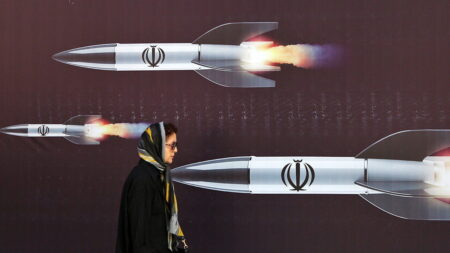
A moderate earthquake struck southern Iran on Tuesday morning, rattling an already tense region as the country remains at the center of an escalating military confrontation with the United States and Israel.
The tremor, measuring 4.3 in magnitude, hit at 7:54 a.m. UTC near Bidshar, a town in the Gerash region of Fars Province. It occurred at a depth of approximately 10 kilometers, a fairly standard depth for seismic activity in the area. The Zagros Mountains, which run through this part of Iran, sit along one of the most seismically active fault systems in the Middle East, making earthquakes in the region a regular occurrence.
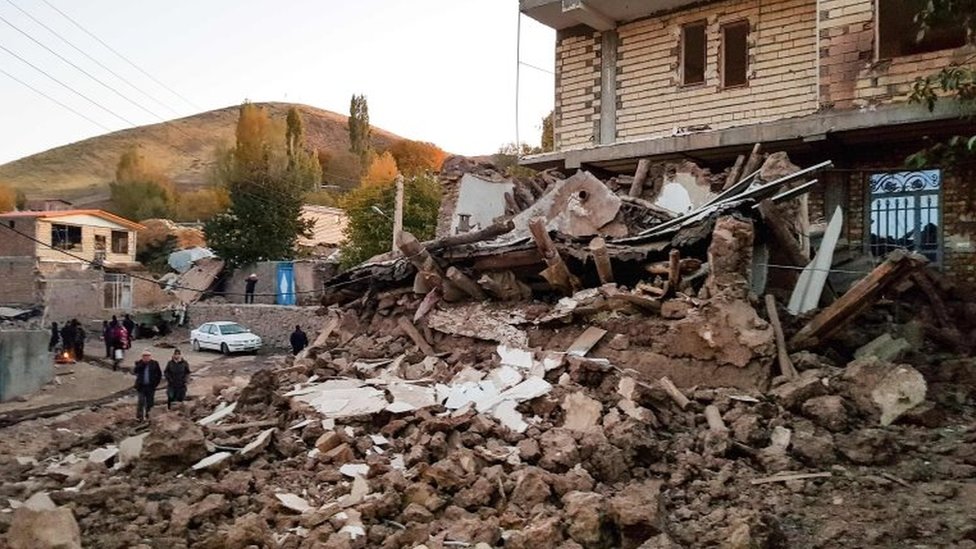
Iranian authorities reported no casualties and no structural damage and issued no emergency alerts following the tremor. The quake appears to have passed without significant incident on the ground.
Given the timing, speculation quickly surfaced online suggesting the earthquake could be connected to the ongoing conflict or potentially linked to underground nuclear activity. Seismologists have been clear in dismissing both theories. The location, depth, and seismic signature of the event are entirely consistent with natural fault movement and bear no resemblance to the patterns typically associated with nuclear tests or large conventional explosions.
In short, the earth moved because the earth moves in that part of the world. The Zagros fault system does not pause for geopolitics.
Still, in a region where every tremor now carries extra weight, even a routine quake is anything but easy to ignore.
READ MORE:
Iranian Missiles Hit Dubai Airport, Causing Minor Damage and Injuries—Photos
Bill Clinton to Testify Before House Committee Investigating Epstein Links