Dubai International Airport, one of the world’s busiest travel hubs, briefly ground to a halt after Iran launched a wave of drones and missiles targeting U.S. allies across the Gulf region. The strikes, which ran from the night of February 28 into March 1, 2026, were described by Tehran as retaliation for joint U.S.-Israeli military operations.
Debris from the attack caused minor structural damage to sections of Dubai International Airport and left four foreign national employees injured. While the runways remained intact, the incident triggered an immediate operational pause that cascaded into the cancellation of over 3,000 flights, leaving hundreds of thousands of passengers stranded across terminals and connecting cities worldwide.
By March 3, limited flight operations had resumed, with airlines working to clear the backlog and restore normal scheduling. The disruption, though brief in operational terms, sent shockwaves through the global aviation industry given Dubai’s central role as a transit hub connecting East and West.
UAE officials were swift in their response. Authorities placed direct blame on Iran, announced the closure of their embassy in Tehran, and issued strong condemnations of what they called a deliberate act of aggression. Officials also pushed back against what they described as a wave of misinformation circulating online in the aftermath of the strikes.
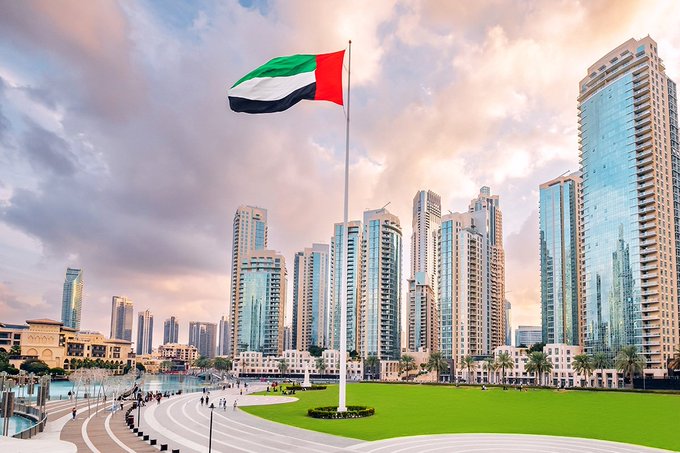
In a visible show of calm and reassurance, President Sheikh Mohamed bin Zayed and Dubai’s Crown Prince made a public appearance at Dubai Mall, signaling to residents and the world that the UAE remains stable despite the escalating tensions across the region.
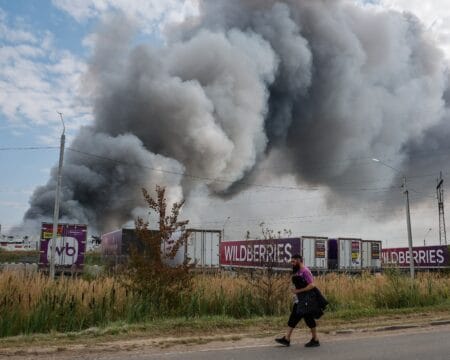
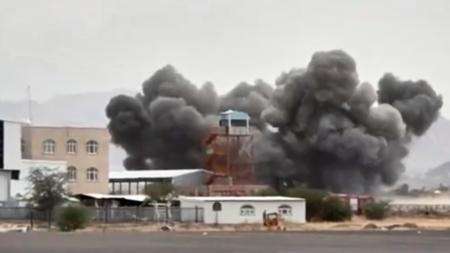
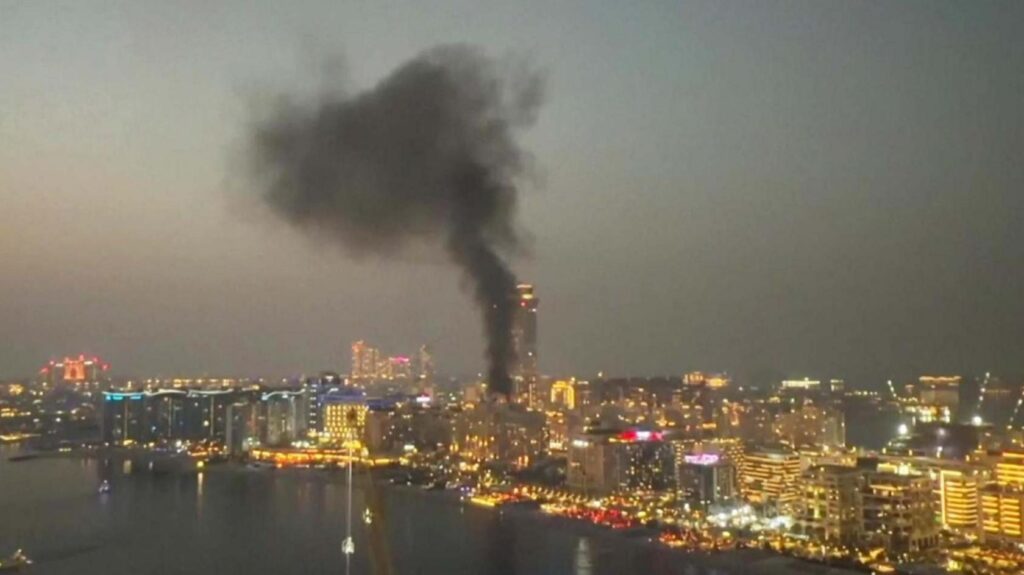
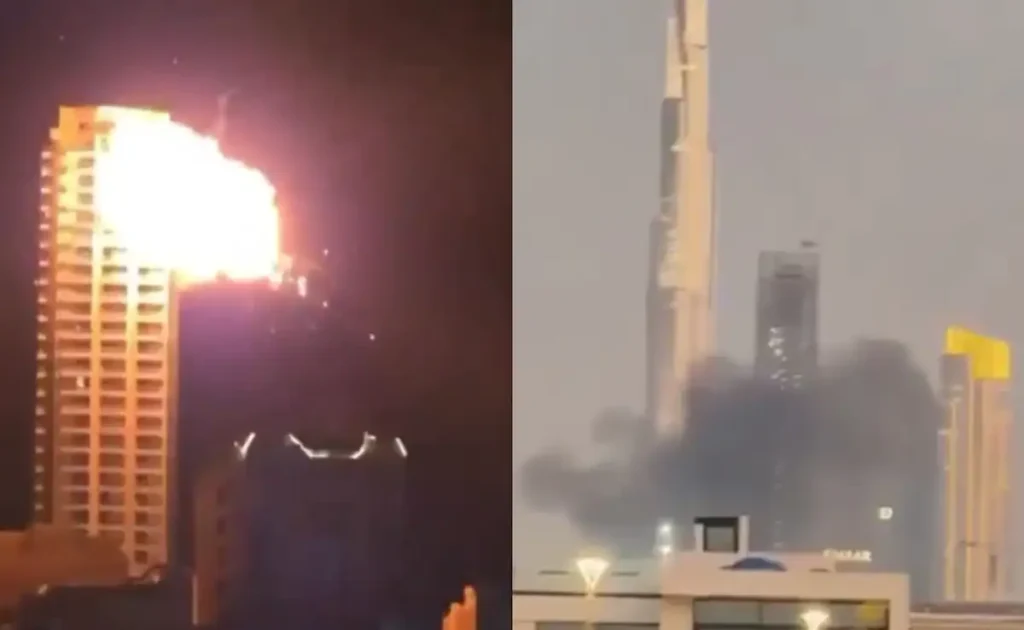
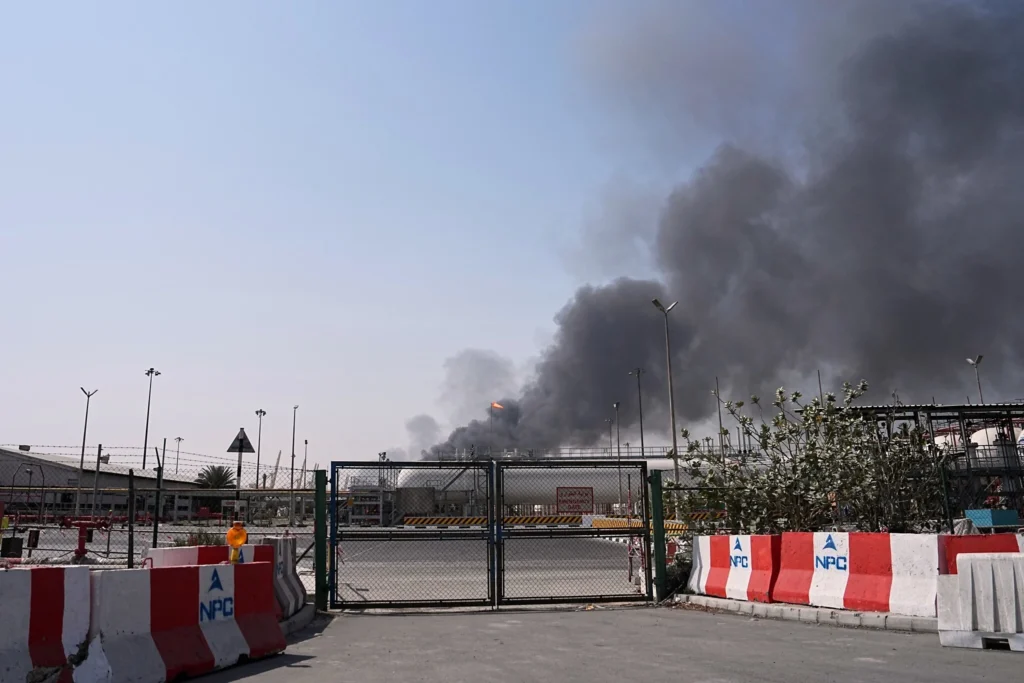
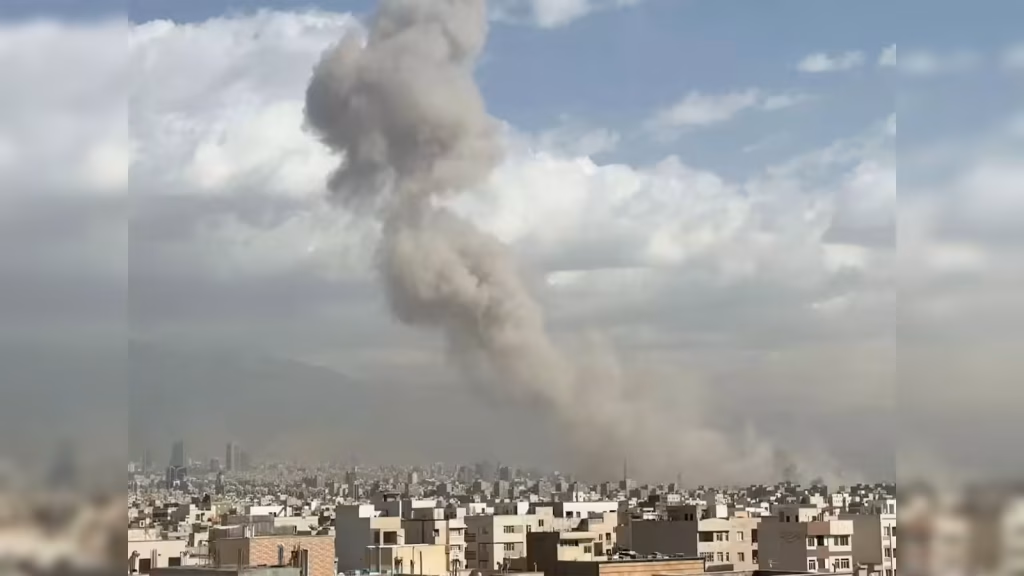
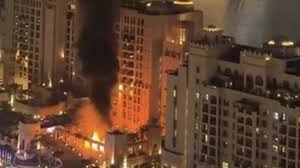
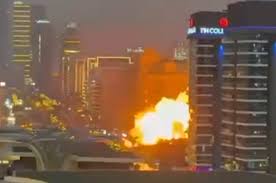
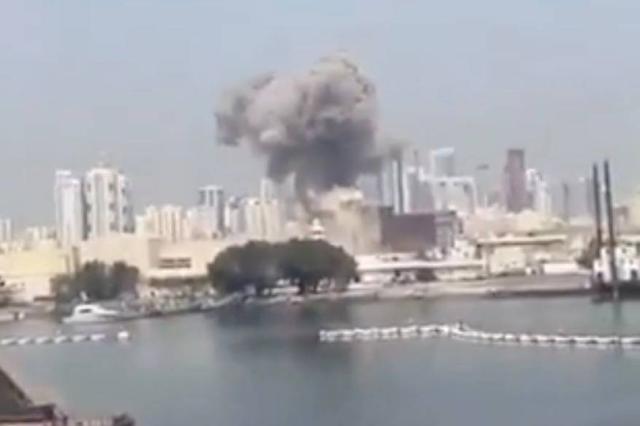
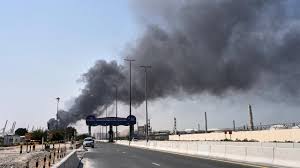
Here are multiple photos of the aftermath after Iran’s missiles struck the golden city.
READ MORE:
Bill Clinton to Testify Before House Committee Investigating Epstein Links
What You Need To Know About Donald Trump’s $1 Million “Gold Card” Visa