
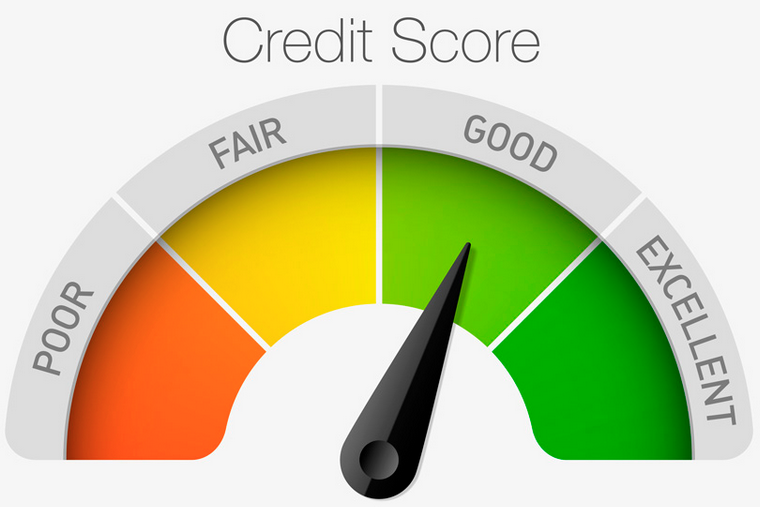
Your credit score is one of those numbers that most people know exists but do not fully understand until it starts affecting things they care about. A mortgage application that comes back with a higher rate than expected. A rental application that gets declined. A car loan with terms that feel punishing. Behind each of these moments is often a credit score that is lower than it should be, sometimes for reasons that are entirely fixable.
The good news is that credit scores are not permanent verdicts on your financial character. They are dynamic numbers that respond to behaviour, and with the right steps, most people can make meaningful improvements within a few months.
How Credit Scores Are Actually Calculated
Understanding what goes into your score makes it much easier to know where to focus. Payment history is the biggest driver, typically accounting for around 35 percent of your score. Whether you pay your bills on time matters more than almost anything else. A single missed payment can cause a significant drop, and that mark stays on your report for several years.
Credit utilisation is the second most important factor, usually around 30 percent. This is the ratio of your outstanding balance to your total available credit. Using a large proportion of your available credit signals financial stress to lenders, even if you pay the balance in full each month. The length of your credit history, the variety of credit types you hold, and the number of recent credit applications make up the remainder.
Step 1: Get Your Credit Report and Read It Carefully
Before you can improve your score, you need to know what is on your report. In most countries, you are entitled to a free copy from one or more of the main credit reference agencies. Get it and read through it carefully. Errors are more common than people realise: accounts that belong to someone else, incorrect late payment records, and balances that have been paid off but are still showing as outstanding. Any of these can drag your score down without you ever having done anything wrong. Disputing and correcting errors is one of the fastest ways to see your score improve.
Step 2: Pay Every Bill on Time, Without Exception
Given that payment history is the single largest component of your credit score, this is the most impactful habit you can build. Set up automatic payments for every credit account, at minimum for the minimum payment, so that you never accidentally miss a due date. If you have existing late payments on your record, you cannot erase them, but you can reduce their impact over time. Recent positive payment history gradually outweighs older negative marks.
Step 3: Bring Your Credit Utilisation Down
If you are using more than 30 percent of your available credit limit, bringing that figure down is likely to have a noticeable effect on your score. There are two ways to do this. You can pay down your balances. Or you can request a credit limit increase on existing cards, which raises your total available credit without adding debt, automatically lowering your utilisation ratio. The key is not to start spending up to the new limit. The goal is the improved ratio, not the extra credit.
Step 4: Keep Old Accounts Open
The average age of your credit accounts contributes to your score. Closing an old credit card account that you no longer actively use might feel like tidying up, but it can actually hurt your score by shortening your credit history and reducing your total available credit. If an old account has no annual fee, keeping it open and making a small occasional purchase on it, which you then pay off immediately, keeps the account active and works in your favour.
Step 5: Be Strategic About New Applications
Every time you apply for a new credit product, the lender performs a hard search on your credit file. Multiple hard searches in a short period suggest financial desperation and can reduce your score. Space out applications and only apply for credit when you genuinely need it and are reasonably confident you will be approved. If you are about to make a significant credit application like a mortgage, avoid applying for any other credit in the months leading up to it.
The Bottom Line
Improving your credit score is not a quick fix, but it is a manageable one. Check your report for errors, pay every bill on time, keep your credit utilisation low, avoid closing old accounts, and be thoughtful about new applications. These habits, sustained over time, build the kind of credit profile that opens financial doors rather than closing them.
READ MORE: