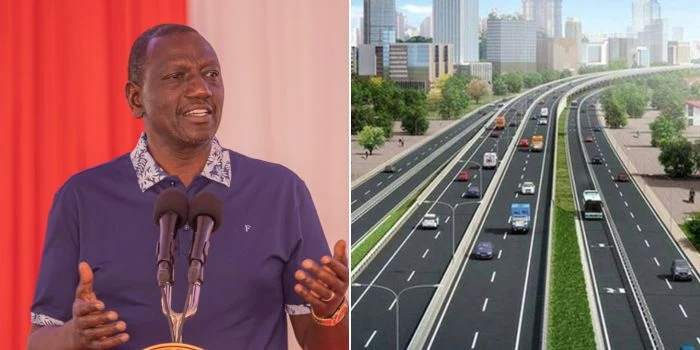
President William Ruto has vowed to rid the country of corruption, beginning with the traffic department, long viewed by many motorists as the most visible face of everyday graft.
Speaking on Monday during a meeting with the National Council on the Administration of Justice at State House, the president said corruption within traffic enforcement is being fuelled by inefficiencies in the court system. Lengthy and cumbersome procedures for settling legitimate fines, he argued, are nudging motorists toward bribery as a quicker alternative.
He said the system must be restructured so that it becomes far more painful to pay a bribe and far easier to pay a lawful fine. Simplifying and accelerating the process of settling traffic penalties, he noted, would significantly reduce opportunities for graft.
The president described the problem as structural rather than incidental. He observed that delays in processing cases and payments create frustration among motorists, a weakness that some officers exploit. Reform, he suggested, would not only deter corruption but also restore public confidence in law enforcement.
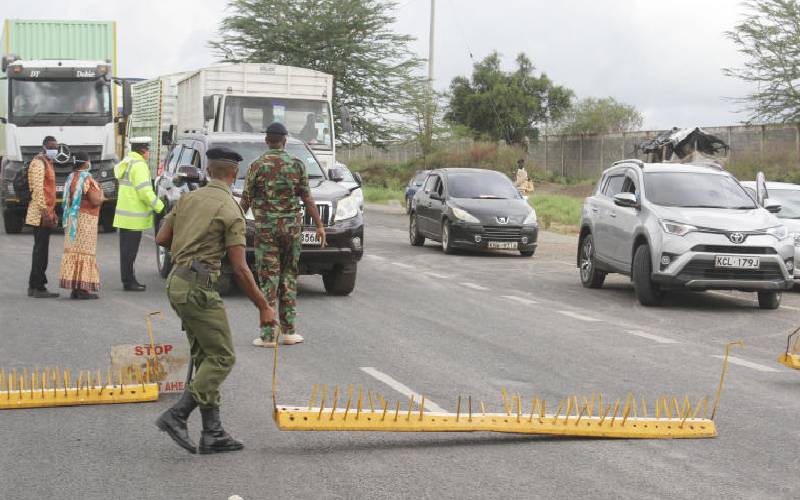
Mr. Ruto also raised concerns about the motives of some officers seeking transfers to the traffic department. According to him, there is a long list of officers lobbying to join the unit, not necessarily out of dedication to public service, but because of the alleged illicit gains associated with it.
“The Inspector General will tell you he has a long list of people who want to join the traffic department. Not because they are hardworking officers who want to assist us in any manner, but because of what is going on there,” he said.
His remarks underscored a broader governance challenge within traffic enforcement, where allegations of bribery and extortion have persisted for years despite repeated reform pledges.
The president also challenged the Transport Cabinet Secretary, David Chirchir, to accelerate the installation of traffic lights and surveillance cameras across six cities. He said technology would help curb direct interactions between motorists and officers, reducing opportunities for bribery and strengthening accountability.
Framing his ambition as part of a larger vision to modernise Kenya’s public service, Mr. Ruto suggested that disciplined systems, efficient courts, and technology-driven enforcement are essential steps toward building a nation that works.
READ MORE:
Bill Clinton to Testify Before House Committee Investigating Epstein Links
Moses Kuria Predicts Who Will Win the 2027 Presidential Election—This Is a Big Shock to Many!!