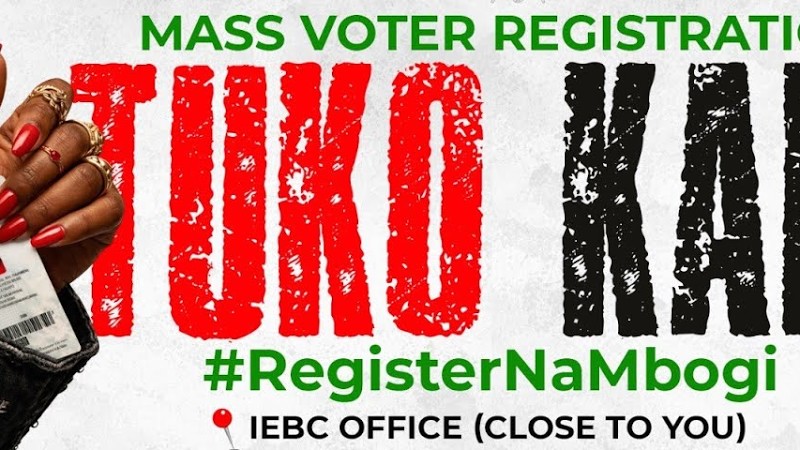
When journalist Allan Ademba launched the Tuko Kadi voter registration movement, millions of Kenyans—especially the Gen Z generation that shook the country during the 2024 anti-finance bill protests—saw it as an independent push to reclaim political power. New details emerging this week, however, suggest the movement may be anything but independent.
According to sources tracking the initiative closely, the Tuko Kadi Movement bears the hallmarks of a state-sponsored political operation designed to corral Kenya’s youth vote and funnel it toward the Kenya Kwanza Alliance ahead of the 2027 General Election.
What Is the Tuko Kadi Movement
The Tuko Kadi Movement is a voter mobilization initiative spearheaded by journalist Allan Ademba. Its stated goal is to encourage young Kenyans—particularly Gen Z—to register as voters and participate actively in the 2027 general election.
On the surface, the initiative appeared to fill a genuine need. Kenya’s youth unemployment crisis, deteriorating governance, and the high cost of living had already pushed Gen Z into the streets in June 2024. A credible voter registration push targeting the youth seemed like a natural next step.
Why the Questions Started
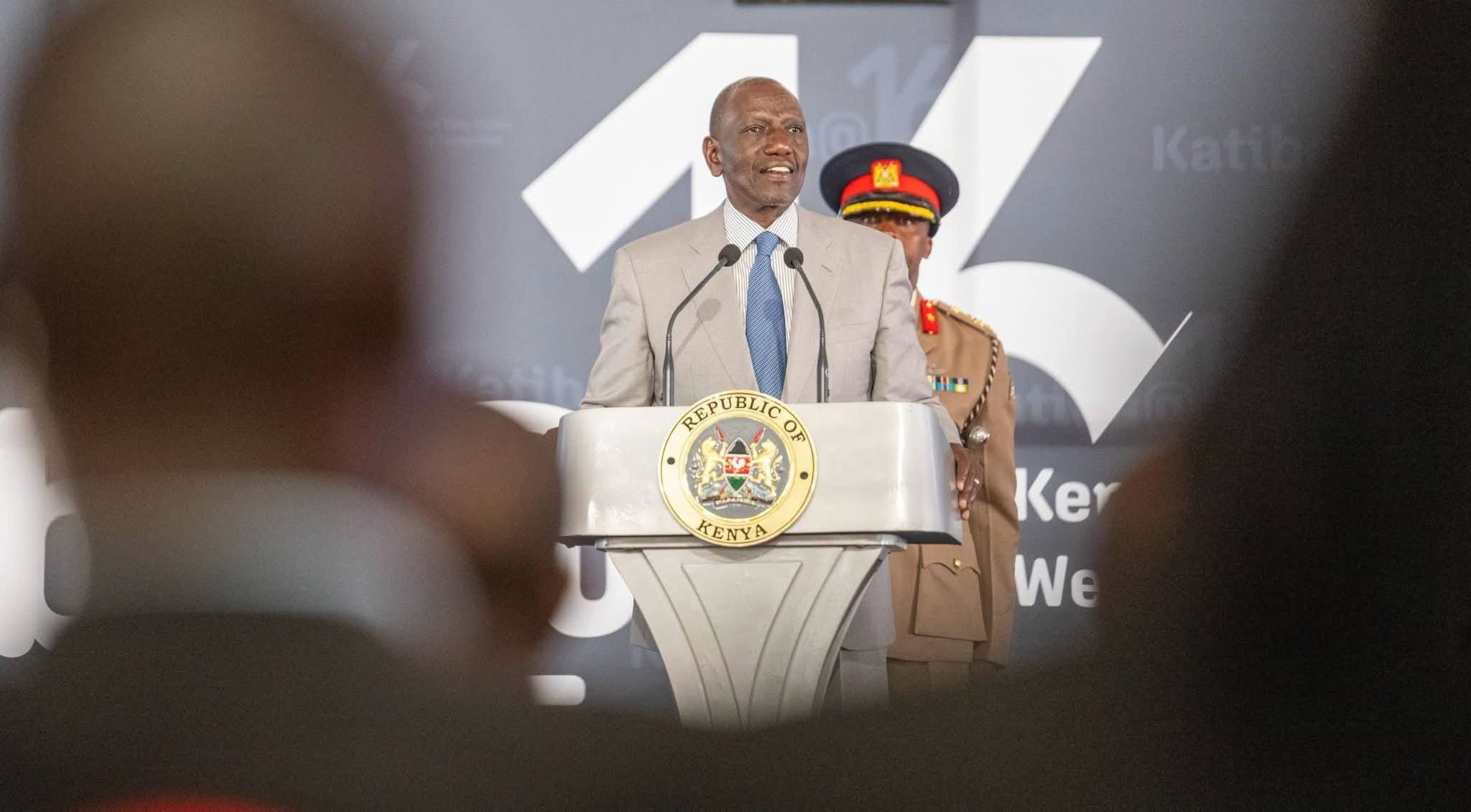
The doubts began when two prominent political figures publicly endorsed the initiative. Both President William Ruto and former Deputy President Rigathi Gachagua—bitter political rivals—went on record supporting the Tuko Kadi movement.
In Kenyan political analysis, when two leaders from opposing camps endorse the same grassroots initiative, it raises an immediate question: who is actually paying for it?
The telling moment came when Gachagua attempted to associate himself with the movement. Instead of condemning both Ruto and Gachagua equally for what critics called an attempt to hijack an independent youth initiative, Ademba singled out only Gachagua in his public response. He wrote on X:
“Rigathi Gachagua is not an option.”
He followed this with a pointed remark about attendance at a Gachagua rally:
“But how many people registered for voting kwa iyo rally ya Gachagua Jana? Kelele tu kwa media. So the whole rally was to register his two sons?????”
Notably, he made no such criticism of President Ruto’s association with the movement.
The Pattern of State-Sponsored Influence Operations in Kenya
Kenya has a long and well-documented history of state-funded influence operations targeting public opinion ahead of elections. The methods have evolved from the days of buying newspaper columns to now include social media influencers, bloggers, musicians, and journalists.
The Kenya Kwanza Alliance, analysts say, has strong incentives to neutralise Gen Z’s political energy ahead of 2027. The June 2024 protests nearly toppled the government when young Kenyans stormed Parliament over the Finance Bill. The state has since pursued multiple strategies to prevent a repeat.
- Compromising independent voices through financial arrangements
- Buying media houses or placing sustained advertising to influence coverage
- Funding apparently independent youth movements that can later be redirected
- Using influencers and public figures to launder political messaging
Ademba’s Silence on Ruto Is the Loudest Signal
In political analysis, what a person does not say is often more revealing than what they do say. Ademba’s willingness to publicly rebuke Gachagua—who has been out of government since his impeachment in 2024—while remaining silent on President Ruto’s endorsement of the same movement is a pattern political observers say is consistent with a state-paid operation.
A genuinely independent youth movement would have been equally uncomfortable with endorsement from any political establishment figure, whether in government or opposition.
What This Means for Gen Z and the 2027 Election
The risk for Kenya’s youth is significant. If the Tuko Kadi movement is indeed a state project, then the energy, time, and political trust that Gen Z invests in it could be redirected at a critical moment—likely in the final weeks before the 2027 election—toward Kenya Kwanza Alliance mobilization.
It would not be the first time a grassroots-looking movement has been used to deliver a predetermined political outcome in Kenya.
Gen Z proved in 2024 that it has genuine political power. The question heading into 2027 is whether that power will be exercised independently or channelled by the very establishment it once challenged.
Read More from CityNews Kenya:
- Kenya 2027 Elections: How to Protect Your Money and Business
- Big Blow to Ruto and Waiguru As 10 Kirinyaga MCAs Dump UDA for Gachagua’s DCP
- Is Natembeya Ruto’s Mole to Dismantle Gachagua’s Opposition?
- Moses Kuria Predicts Who Will Win the 2027 Presidential Election
- Millie Odhiambo Claims Ruto Is Turning Kenya Into Haiti By Using Goons And Gangs