
Kenya is often described as “visa-free,” but that is not the full story. Since January 2024, most visitors have needed an Electronic Travel Authorization (eTA) before they travel. This guide explains who needs one, what it costs, how to apply, and what to watch out for so your safari plans do not hit a snag at the airport.
Last updated: October 2026. Entry rules and fees can change, so confirm the details on the official Kenya eTA website before you apply.
What is the Kenya eTA?
The eTA is an online travel authorization that replaced Kenya’s old visa-on-arrival and e-visa systems. You apply before your trip, and if you are approved you receive an authorization that you present when you travel. Kenya introduced it as part of a plan to open its borders to visitors, and it applies to travelers of all ages, including infants.
Who needs an eTA?
Most international tourists need one. This includes visitors from the US, UK, Canada, Australia, and most of Europe. A few groups are treated differently:
- East African Community citizens (such as Tanzania, Uganda, Rwanda, Burundi, South Sudan and the DRC) are exempt from applying.
- Some countries apply but pay no fee, because they already had visa waiver agreements with Kenya. This group has included South Africa, Ethiopia, Mozambique, Eritrea, Comoros, the Republic of Congo and San Marino, with others added over time.
Check the official site for your nationality, since the exemption lists have changed since the system started.
How much does the Kenya eTA cost?
The standard single-entry tourist eTA costs roughly US$30 to US$35. Different sources report slightly different figures, and Kenya has adjusted the system since it launched, so check the exact fee on the official portal before you pay. Other permit types, such as for business travel, can cost more.
How long does it take?
Processing usually takes between one and three working days, but delays can happen. Apply at least two weeks before you travel, and do not wait until the last minute. Applications can be refused, so leave time to correct any problems.
How to apply, step by step
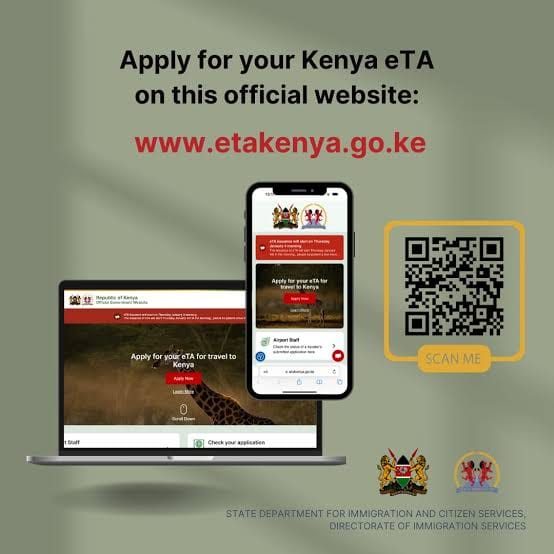
- Go to the official eTA portal. The Kenyan government’s site is etakenya.go.ke. Type the address yourself rather than clicking an advert.
- Create an account and start a new application.
- Fill in your details, including passport information, travel dates and where you will stay.
- Upload your documents. This usually includes a passport photo page, a photo, and proof of your travel plans.
- Pay the fee online by card.
- Wait for approval. You will be notified by email.
- Save and print your eTA. Keep a copy on your phone and a printed copy in your hand luggage.
What do you need to apply?
- A passport valid for at least six months beyond your arrival date, with at least one blank page
- A recent passport-style photo
- Your travel itinerary, such as flight bookings or confirmed accommodation
- A payment card
- Other documents depending on your nationality or reason for travel
What can you do with a tourist eTA?
An eTA allows you to visit as a tourist. It does not allow you to work in Kenya. If you plan to do business or take up employment, you will need the correct permit instead. Overstaying your authorized period can result in fines, so check the dates on your approval.
Visiting more than one East African country
If your trip also includes Uganda and Rwanda, ask about the East Africa Tourist Visa, a joint visa for the three countries. Check the current price and rules on the official sites, since regional arrangements change.
Beware of fake eTA websites
Many unofficial websites copy the look of the government portal and charge extra fees to “help” you apply. Some are simply resellers that charge more than the official price, while others are outright scams. To protect yourself:
- Go directly to the official government portal, not through a search ad
- Check that the web address is a genuine Kenyan government site ending in .go.ke
- Be suspicious of any site that adds large “service” fees
- Never share your passport details on a site you cannot verify
Other things to know before you fly
- Plastic bag ban: Kenya enforces one of the strictest single-use plastic bag bans in the world, which can include bags in your luggage. Pack toiletries in reusable or non-plastic bags where possible.
- Travel insurance: It is worth buying cover that includes medical care and evacuation, particularly if you plan a safari.
- Health requirements: Check vaccination advice with your doctor or travel clinic in advance, as requirements depend on where you are travelling from.
Frequently asked questions
Is Kenya really visa-free?
Kenya describes its system as visa-free, but most visitors still need to apply for an eTA before travelling, so in practice you must arrange authorization in advance.
Do children and babies need an eTA?
Yes. The requirement applies to travellers of all ages, including infants.
Can I get the eTA on arrival?
You should apply before you travel. Airlines may check your authorization at check-in, and arriving without one can cause serious problems.
How long is the eTA valid?
Validity depends on the type of authorization you select. Check the details on your approval and make sure it covers your whole trip.
What if my application is refused?
You can usually reapply after correcting any mistakes. Do not book non-refundable travel until your eTA is approved.
Entry requirements change, so confirm everything on the official Kenyan government portal before you book your trip.