Kenya is one of the best safari destinations in the world, with huge wildlife populations, varied landscapes and a long tradition of excellent guiding. The hard part is choosing where to go. This guide covers the main parks and reserves, what each is known for, and the best time to visit, so you can match a destination to your trip.
Last updated: October 2026. Park fees, rules and conditions change, so confirm details with your operator or the official park authority before you book.
Quick comparison of Kenya’s best safari parks
| Park or reserve | Known for | Best for |
| Maasai Mara | Big cats and the Great Migration | First-time visitors and wildlife photography |
| Amboseli | Elephants with Mount Kilimanjaro views | Photographers and families |
| Tsavo East and West | Vast wilderness and red-dust elephants | Travellers who want space and fewer crowds |
| Samburu | Rare northern species | Seeing animals not found in the south |
| Lake Nakuru | Rhinos and birdlife | Short trips and bird lovers |
| Ol Pejeta and Laikipia | Rhino conservation and conservancy experiences | Conservation-minded travellers |
| Nairobi National Park | Wildlife next to a capital city | Layovers and day trips |
Maasai Mara National Reserve
The Mara is Kenya’s most famous reserve, and for good reason. It has excellent chances of seeing lions, cheetahs, leopards, elephants and giraffes. It is also the heart of the Great Migration, when huge herds of wildebeest and zebra cross the Mara River, usually between July and October. The Mara is also surrounded by private conservancies, which often have fewer vehicles and allow activities such as walking safaris and night drives. It is a strong first choice if you can only visit one place.
Amboseli National Park
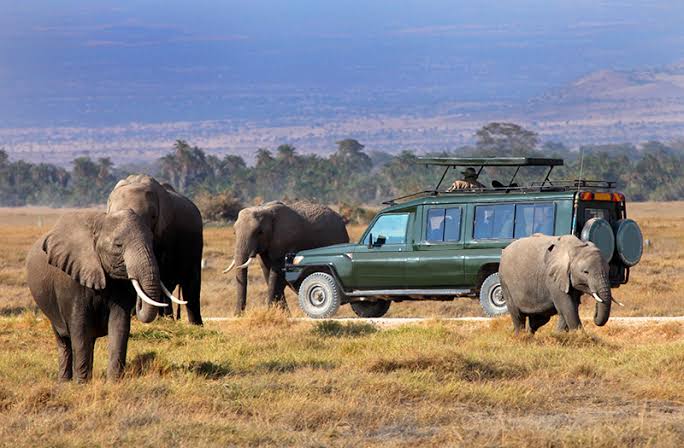
Amboseli is famous for its large elephant herds against the backdrop of Mount Kilimanjaro, which makes it one of the most photographed places in Africa. The park is flat and open, so wildlife is easy to spot. Kilimanjaro is often clearer in the early morning and evening, and the dry season gives the best chance of clear views.
Tsavo East and Tsavo West
Together, the two Tsavo parks form one of the largest protected areas in Africa. Tsavo East is open plains, known for elephants coated in red dust. Tsavo West is more varied, with hills, lava flows and springs. Tsavo gets fewer visitors than the Mara, so it can feel wilder and quieter. Wildlife is spread over a huge area, so sightings may take more patience.
Samburu National Reserve
Samburu lies in Kenya’s drier north and is home to species that are hard to find in the south, often called the “Special Five”: the reticulated giraffe, Grevy’s zebra, Somali ostrich, gerenuk and beisa oryx. The Ewaso Ng’iro River draws wildlife, including elephants and big cats. It is a great add-on if you want something different from a standard southern safari.
Lake Nakuru National Park
Lake Nakuru is compact, scenic and very good for rhinos, including both black and white rhinos, as well as giraffes, buffalo and hundreds of bird species. Flamingo numbers on the lake vary from year to year, so ask your operator about current conditions. It is easy to reach from Nairobi, which makes it a good choice for short trips.
Ol Pejeta Conservancy and Laikipia
Ol Pejeta is known for its rhino conservation work and is home to the last northern white rhinos in the world. The wider Laikipia region offers private conservancies with activities such as walking safaris, horse riding and night drives. These areas suit travellers who want a more personal, conservation-focused experience.
Nairobi National Park
Nairobi National Park is unusual because you can see lions, giraffes and rhinos with the city skyline in the background. It is just a short drive from the centre of Nairobi, which makes it ideal for a half-day trip if you have a long layover or a short stay.
Best time to visit Kenya for a safari
- June to October (dry season): This is the most popular time. Wildlife gathers around water, vegetation is thinner and the Great Migration river crossings usually happen. It is also the busiest and most expensive period.
- January to February (short dry season): Good wildlife viewing, warm weather and fewer crowds than mid-year.
- March to May (long rains): Fewer visitors and lower prices at many lodges, but roads can be difficult and some camps close.
- November to December (short rains): Often green and scenic, with showers that tend to be brief.
The Great Migration moves around, and timing varies from year to year, so ask your operator for the latest advice instead of relying on fixed dates.
How many days do you need?
Most travellers do well with five to seven days. A week lets you combine two or three destinations, for example the Maasai Mara and Amboseli. If you only have three or four days, choose one or two nearby parks rather than rushing between several.
Tips for planning your safari
- Book a licensed operator. Check reviews and make sure they are registered and insured.
- Compare what is included. Look at park fees, meals, transport and game drives.
- Book early for peak season. Popular lodges can fill months ahead from July to October.
- Pack sensibly. Neutral colours, layers, a hat, sunscreen, binoculars and a good camera. Remember that Kenya enforces a strict ban on plastic bags.
- Arrange your entry documents. Most visitors need an eTA before travelling, so apply well ahead.
- Choose insurance. Cover that includes medical care and evacuation is worth having.
Frequently asked questions
What is the best safari park in Kenya for first-time visitors?
The Maasai Mara is the most popular first choice because of its strong wildlife viewing, though Amboseli is also excellent for first-timers.
When is the Great Migration in Kenya?
The river crossings in the Maasai Mara usually take place between July and October, but timing depends on rainfall and varies each year.
Is Kenya safe for safaris?
Safaris are well established and tourists visit safely every year. Use a reputable operator, follow your guide’s instructions, and check your government’s travel advice before you go.
Can I see the Big Five in Kenya?
Yes. Lions, leopards, elephants and buffalo are widespread in several parks, and rhinos can be seen in places such as Lake Nakuru, Ol Pejeta and the Maasai Mara.
Do I need a visa for Kenya?
Most visitors need to apply for an Electronic Travel Authorization (eTA) before they travel. Check the official Kenyan government portal for current rules.
Kenya offers a safari for nearly every kind of traveller. Choose the park that fits your interests and the time of year, and you are well on your way to an unforgettable trip.