
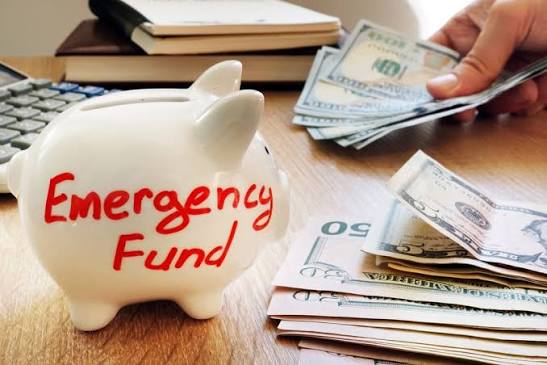
An emergency fund is money set aside for the unexpected: a job loss, a car repair, a medical bill, or a broken boiler. Without one, a surprise expense often ends up on a credit card or a high-interest loan. With one, it is an annoyance rather than a crisis.
This guide explains how much to save, where to keep it, and a simple plan to build it, whether you live in the US, the UK, or Europe.
Last updated: October 2026. This article is general information, not personal financial advice. Savings rules and limits change, so check official sources for your country.
What counts as an emergency?
A real emergency is something unplanned, urgent and necessary. Typical examples include:
- Losing your job or a big drop in income
- Urgent medical, dental or vet bills
- Essential car or home repairs
- Emergency travel, such as to a family member’s bedside
A sale, a holiday, or a new phone is not an emergency. Keeping that line clear is what protects the fund.
How much should you save?
The most common guideline is three to six months of essential expenses. Essential expenses are the bills you must pay to keep life running: housing, utilities, food, transport, insurance, minimum debt payments and similar. They are not your full spending.
Where you land in that range depends on your situation:
- Closer to three months: You have a stable job, two incomes in the household, no dependants, and good benefits.
- Closer to six months or more: You are self-employed, your income is irregular, you support children or other family, or you work in an unstable industry.
To find your number, add up one month of essential costs and multiply it by the number of months you want to cover.
Start with a small first goal
Six months of expenses can feel out of reach, so start smaller. A first target of one month of essential expenses, or a flat amount you can reach in a few months, gives you a buffer against the most common surprises. Once you hit it, move on to the next milestone. Progress matters more than the size of each step.
A simple step-by-step plan
- Work out your essential monthly costs. Use your bank statements from the last two or three months.
- Set your target. Choose three, four, or six months, and write the total down.
- Open a separate savings account. Keeping the money apart from your everyday account makes it harder to spend by accident.
- Automate your saving. Set up a standing order or automatic transfer for the day after payday, so saving happens before you can spend the money.
- Use windfalls. Put tax refunds, bonuses, and gifts straight into the fund.
- Trim one or two expenses. Cancel unused subscriptions or renegotiate bills, and send the savings to the fund.
- Review every few months. Adjust the target when your costs or circumstances change.
Where to keep your emergency fund
The goal of an emergency fund is safety and access, not high returns. It should be:
- Easy to reach within a day or two
- Protected from the risk of losing value
- Earning some interest where possible, so inflation does not erode it
Good homes for the money include an instant-access savings account or a high-yield savings account at a regulated bank. Many people avoid investing their emergency fund in stocks, because markets can fall just when you might need the money.
How safe is your money in a bank?
Deposit protection schemes cover savings if a bank fails, up to a limit. The limits depend on where you live:
| Region | Scheme | Protection limit |
| United States | FDIC (or NCUA for credit unions) | $250,000 per depositor, per insured bank, per ownership category |
| United Kingdom | FSCS | £120,000 per person, per authorised firm, since 1 December 2025 |
| European Union | National deposit guarantee schemes | €100,000 per depositor, per bank |
Check that your bank or credit union is covered by the scheme in your country before you open an account. If you hold more than the limit with one firm, consider spreading it across more than one authorised institution.
Emergency fund vs paying off debt
A common question is whether to build savings or pay off debt first. A widely used approach is to build a small starter buffer first, so a surprise bill does not push you deeper into debt, then attack high-interest debt such as credit cards, and then grow your emergency fund to its full target. The right balance depends on your interest rates and your situation, so adapt it to your own numbers.
What to do when you use the fund
Using your emergency fund for a real emergency is exactly what it is for. Do not feel guilty. Just rebuild it afterwards, starting with a small automatic transfer, until you are back to your target.
Common mistakes to avoid
- Keeping it in your current account, where it is easy to spend.
- Chasing risky returns with money you may need quickly.
- Treating it as a general savings pot for holidays or purchases.
- Never reviewing it. Your needs change as your costs rise.
- Leaving it with an unprotected provider. Check that deposit protection applies.
Frequently asked questions
How much should I have in an emergency fund?
Most guidance suggests three to six months of essential expenses, with more for self-employed people or those with dependants.
Should I keep my emergency fund in cash?
Mostly yes. Cash in an instant-access or high-yield savings account gives you safety and quick access, which matter more than returns for this money.
Is a high-yield savings account safe?
It is as safe as the bank behind it, up to the deposit protection limit in your country. Always check that the provider is authorised.
Can I use my emergency fund for a holiday?
It is better to keep a separate savings pot for planned spending, so your emergency money stays available.
How long does it take to build one?
It depends on your income and how much you can save each month. Start small, automate it, and increase the amount over time.
The best emergency fund is the one you actually start. Open the account, set up the first transfer today, and build from there.