
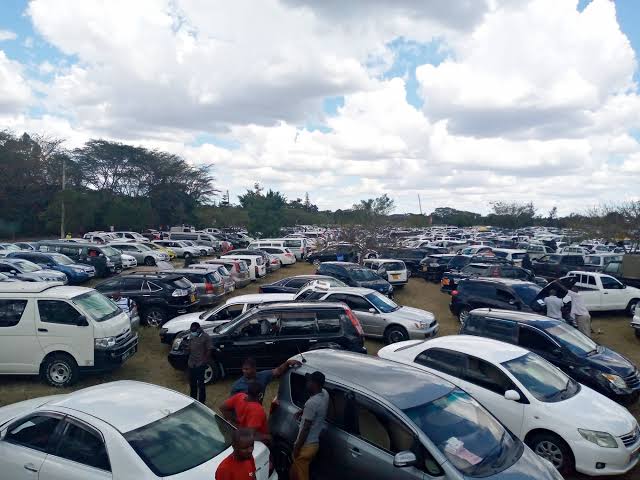
Whether you are looking to buy a clean second-hand vehicle from a local car yard, selling your personal car on Jiji or Facebook Marketplace, or applying for a logbook loan from a bank, determining the true fair market value of a used car in Kenya can be tricky.
Car prices in Nairobi, Mombasa, and across Kenya fluctuate heavily based on key factors: whether the vehicle is a fresh direct import or locally used, its total certified mileage, mechanical condition, engine size, and overall brand popularity. Overpricing a car leaves it sitting on the yard for months, while underpricing means losing hundreds of thousands of shillings.
To solve this, our Kenya Used Car Market Value Estimator benchmarks real-time 2026 market rates across popular worldwide manufacturers—including Toyota, Mazda, Subaru, Nissan, Mercedes-Benz, BMW, Isuzu, and Volkswagen.
Select your car make, model, year, and condition below to generate an instant estimate for fair dealer prices, quick-cash trade-in values, and insurance replacement figures!
🚗 Kenya Used Car Market Value & Valuation Calculator
Get Real-Time Estimated Buying & Selling Prices in Kenya (2026 Market Rates)
🏦 Need Logbook Loan Financing or Auto Insurance?
Get up to 80% financing on this car’s estimated value or lock in instant motor insurance quotes.
Get Car Loan & Insurance Quote 🤝5 Key Factors That Determine a Used Car’s Resale Value in Kenya
When certified motor vehicle valuers (such as AA Kenya, Regent, or Benchmark) evaluate a car for bank financing or comprehensive insurance, they rely on a strict depreciation and condition framework:
1. Fresh Import vs. Locally Used Status
In Kenya, a fresh, unregistered direct import from Japan or the UK commands an 18% to 25% price premium over a car that has been driven locally on Kenyan roads. Local road conditions, pothole impacts on suspension components, and variable fuel quality lower resale value compared to vehicles recently cleared at Mombasa port.
2. Brand Resale Champions (The “Toyota Effect”)
Certain brands in Kenya hold their market value significantly longer due to widespread spare parts availability and mechanic familiarity.
- High Resale Retention: Toyota (Premio, Prado, Vitz, Fielder), Isuzu (D-Max), and Mazda (CX-5, Demio) retain up to 60-70% of their value after 3 years of local use.
- Faster Depreciation: German luxury brands (Mercedes-Benz, BMW, Audi) depreciate up to 40-50% faster in the local market due to specialized maintenance costs and expensive computerized modules.
3. Certified Mileage Thresholds
Mileage remains a huge bargaining chip during vehicle sales:
- Under 60,000 km: Considered low mileage; commands top-tier pricing.
- 60,000 km to 120,000 km: Standard average range for 5-to-8-year-old imports.
- Over 150,000 km: Buyers expect a 10% to 15% discount to account for upcoming major servicing (timing belt replacement, gearbox fluid flush, and suspension overhauls).
4. Logbook Loans & Bank Asset Financing Thresholds
If you are buying or selling a vehicle through bank asset financing, most Kenyan commercial banks and microfinance institutions will only finance up to 70%–80% of the certified valuation price. Additionally, many lenders refuse to finance vehicles that are older than 10 to 12 years from the current manufacture date.
5. Insurance Forced Sale Value (FSV) vs. Market Value
When getting an insurance appraisal, you will receive two figures: the Fair Market Value (what the car sells for in open market conditions) and the Forced Sale Value (FSV). The FSV is typically 20% lower than market value and represents the minimum quick-cash price a bank or liquidation firm will accept if a vehicle is repossessed or auctioned.