
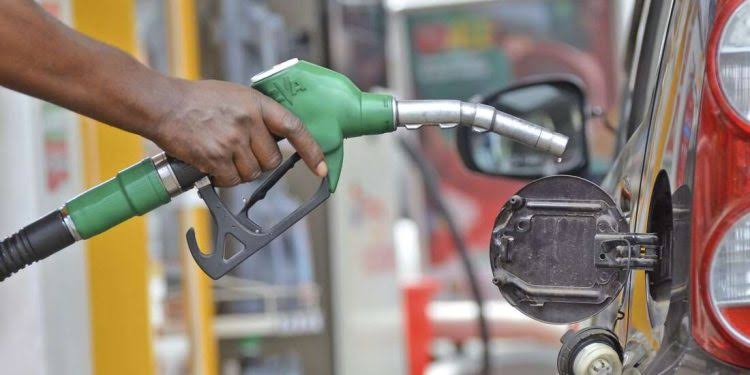
Economic volatility is no longer a temporary hurdle in Kenya; it has become the baseline reality for households and corporate entities alike. With fuel price adjustments trickling down through public transport, energy tariffs, and food supply chains, real purchasing power continues to contract across all income brackets.
Surviving and staying financially resilient in this high-cost environment requires moving past basic penny-pinching toward deliberate, strategic adjustments in how you commute, manage household operations, protect your capital, and run your business.
Here is an actionable, high-impact blueprint for navigating inflation and energy price shocks in modern Kenya.
1. Commute Smart: Auditing and Reducing Transport Overhead
Transport expenses represent one of the most immediate points of leakage in daily finances whenever pump prices climb. Re-engineering your daily movement yields instant cash flow relief.
Re-Evaluating Private Driving vs. Ride-Hailing
- Adopt Route Efficiency: If driving is essential, combine multiple errands into single, structured trips. Avoid peak-hour gridlock, where idling vehicles burn fuel with zero mileage return.
- Capitalize on Off-Peak Commuting: Public transport fares peak sharply between 7:00 AM–9:00 AM and 5:00 PM–8:00 PM. Adjusting work schedules by even 30 to 45 minutes can reduce daily commute costs by up to 30%.
- Leverage Corporate Carpooling: Partner with colleagues living along your residential corridor to split weekly fuel expenses.
- Explore Electric Mobility Integration: For short-distance urban errands, switching to electric ride-hailing or e-mobility options isolates your daily movement from direct petroleum price swings.
2. Restructuring the Household Basket: Defending Purchasing Power
Food and energy inflation erode disposable income fast. Navigating these price shifts requires changing how and where household resources are allocated.
Smart Sourcing and Bulk Procurement
- Bypass Retail Markups: Move away from frequent, piecemeal supermarket purchases for non-perishables. Source grains, cereals, and dry foods in bulk directly from primary wholesale hubs like Nyamakima, Wakulima, or regional open-air markets.
- Align Consumption with Peak Seasons: Tailor weekly meal plans strictly around seasonal produce, which carries significantly lower transport surcharges than out-of-season items.
Optimizing Household Energy Use
- Efficiency in Cooking Systems: Long-boiling meals consume massive amounts of Liquefied Petroleum Gas (LPG). Transitioning to pressure cookers or energy-efficient electric appliances reduces monthly gas refilling frequency.
- Managing Power Tariff Thresholds: Purchase electricity tokens strategically at the start of the month to maximize baseline lower-tier tariff units before sliding into higher-cost usage bands.
- Audit Phantom Power: Keep heavy water heaters on strict timers and eliminate idle power draw from unused electronics.
3. Financial Defense: Preserving Capital Against Inflation
Leaving cash idle in standard, low-interest savings accounts during high-inflation periods results in a steady loss of real wealth. Financial survival hinges on proactive yield management and debt control.
High-Yield Liquidity Storage
- Shift Cash to Money Market Funds (MMFs): Emergency reserves and operational cash should be placed in regulated MMFs yielding 12% to 17% per annum. This cushions your liquidity against inflation while keeping funds easily accessible.
- Utilize Fixed Target Accounts: Lock short-term savings into dedicated fixed-deposit facilities to earn compound interest rather than letting inflation erode purchase parity.
Aggressive Debt Rationalization
- Eliminate High-Cost Digital Debt: Prioritize clearing high-interest overdrafts and short-term mobile loans immediately. Compounding daily or monthly finance fees on quick credit lines quickly destroy disposable income.
- Avoid Unnecessary Capital Lockup: Delay non-essential luxury purchases or high-depreciation consumer assets until market volatility stabilizes.
4. Enterprise Resilience: Cost-Containment Strategies for Businesses
For entrepreneurs and executives, maintaining profit margins amid soaring overheads demands strict lean-management practices.
- Consolidate Logistics and Deliveries: Replace on-demand dispatch runs with scheduled, regional delivery cycles to cut down total vehicle mileage.
- Renegotiate Supply Terms Early: Engage key vendors to lock in predictable pricing structures or push for extended payment windows (30 to 60 days) to safeguard cash reserves.
- Adopt Digital Efficiency Tools: Automate administrative processes, embrace paperless invoicing, and cut physical overheads wherever cloud services can perform the same function.
- Package Value-Driven Bundles: Instead of imposing blunt, high price increases that drive away price-sensitive buyers, create bundled product offerings that maintain healthy operating margins while preserving customer retention.
Final Thoughts
Surviving an inflationary economy is not about waiting for conditions to ease; it is about building financial flexibility. By taking control of mobility costs, optimizing household procurement, deploying capital into high-yield instruments, and trimming operational inefficiencies in business, you build a resilient financial base capable of weathering any economic cycle.