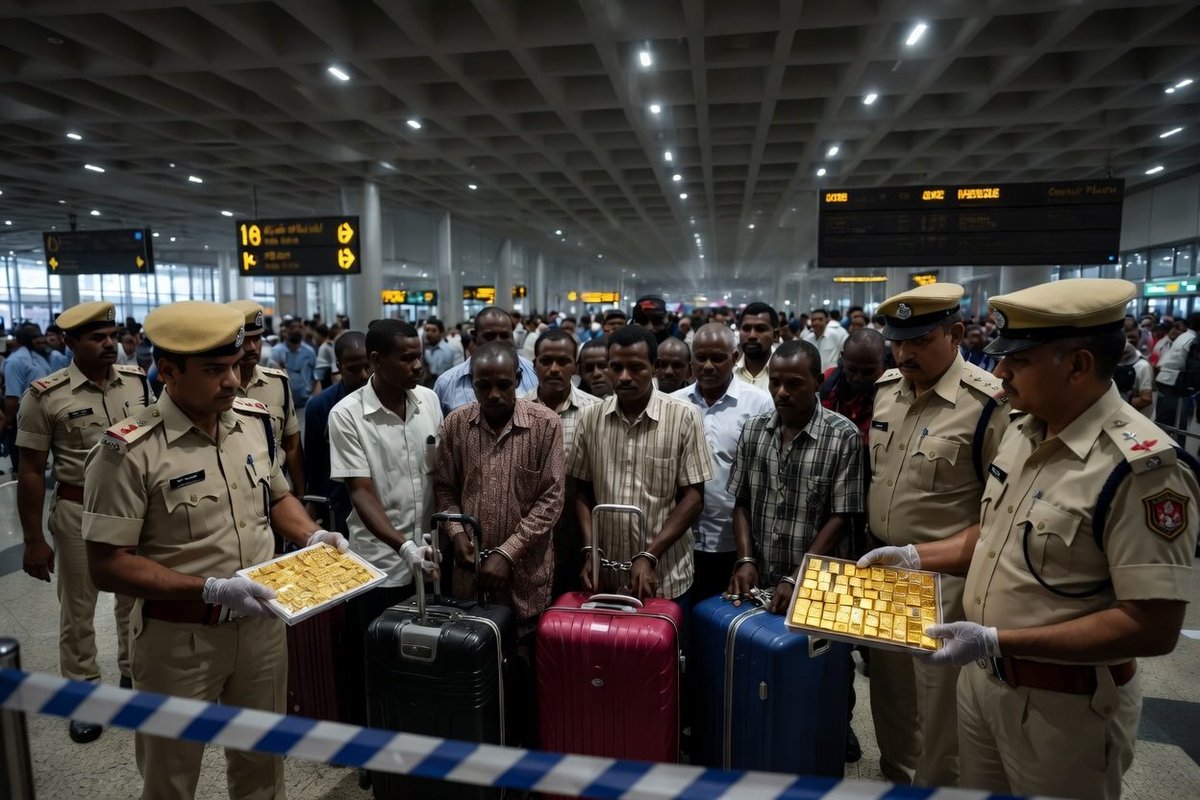
In a major blow to international smuggling networks, Indian authorities have arrested 29 Kenyan nationals at Mumbai Airport after discovering gold valued at over Sh500 million in their possession. The seizure, which took place on April 8, has exposed Kenya’s deepening role as a central transit hub for illicit gold originating from conflict zones in Sudan and the Democratic Republic of Congo (DRC).
According to Indian customs officials, the contraband weighed approximately 29 kilograms. The suspects, primarily elderly women, were intercepted after arriving on a flight from Nairobi. Acting on specific intelligence, officers watched the group attempt to bypass customs via the “green channel” before detaining them. A search revealed gold bars cleverly concealed inside their shoes and other personal effects.
“The sheer volume of this seizure indicates a highly organized network,” an Indian intelligence official familiar with the operation told reporters. “These couriers are often recruited as low-level mules, but the financial backing and logistical coordination point to powerful syndicates operating across borders.”
Kenya’s Growing Role as a Smuggling Hub
The arrests have shone a harsh light on how Kenya has become a pivotal link in the global illegal gold trade. Authorities and watchdog reports confirm that while Kenya officially declared only modest gold exports recently, the actual volume passing through its borders—specifically the Jomo Kenyatta International Airport (JKIA) and porous northern frontiers—is significantly higher.
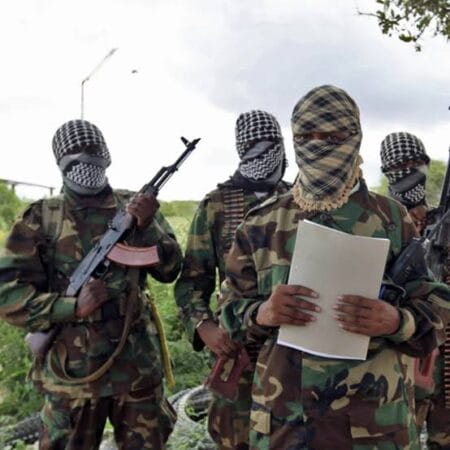
Most of this gold is mined outside Kenya. Investigators state it originates from war-torn regions, including the Rapid Support Forces (RSF)-controlled areas of Darfur in Sudan and conflict-rich zones in the Eastern DRC. The gold is smuggled into Kenya, where documentation is allegedly forged or falsified before it is shipped to major markets like India and the United Arab Emirates.
“The Kenyan capital has become a laundering point for ‘conflict gold,'” said a report on regional illicit trade networks. “It enters the legal supply chain here, effectively cleaning the blood off the minerals before they head to international refineries.”
President Ruto and the Sudan Connection
The smuggling revelations have inevitably entangled the Kenyan government in serious diplomatic allegations, specifically regarding the ongoing civil war in Sudan.
Opposition leaders and regional analysts are pointing to Kenya’s recent overtures toward the RSF as a catalyst for the illicit flow. Former Kenyan Vice President Kalonzo Musyoka has publicly accused the administration of President William Ruto of facilitating the illegal export of gold stolen from Sudan’s Darfur region.
The revelation that Algoney Dagalo Musa, the brother of RSF commander Mohamed Hamdan “Hemedti” Dagalo, received a Kenyan passport intensified these accusations. Furthermore, President Ruto faced severe diplomatic backlash after hosting Hemedti in Nairobi last year—a move that led Sudan to recall its ambassador and ban Kenyan tea imports.
Critics argue that the Ruto administration is leveraging its position in the Horn of Africa to allow the RSF to monetize seized gold assets in exchange for political or financial considerations. “Kenya is aiding the sale of gold stolen from Sudan,” Kalonzo charged during a local broadcast. “The government has lowered the rating of our passport and our dignity by protecting these warlords.”
Regional Instability and Economic Impact
The arrests highlight how instability in Africa fuels global crime. As the DRC and Sudan remain mired in violence, armed groups use gold to finance their operations. Kenya, with its relatively stable economy and bustling international airport, provides an ideal exit strategy for these resources.
“The illegal gold trade is draining our continent,” a security analyst based in Nairobi stated. “While President Ruto speaks of pan-African unity, his country is being used as a sieve through which the wealth of Congo and Sudan disappears into the vaults of Indian and Gulf buyers.”
The 29 suspects currently remain in Indian judicial custody as the Directorate of Revenue Intelligence (DRI) continues its investigation into the broader smuggling syndicate. As Mumbai authorities dig deeper into the “Nairobi connection,” the Kenyan government faces mounting pressure to explain how its soil became the preferred highway for conflict minerals.
READ MORE:
Shock as Man and Woman Found Dead in Rented House in Kerugoya Under Mysterious Circumstances
Man Arrested Over The Murder of RIAT College Lady Whose Decomposing Body Was Found in a Bush(Photo)