As Nairobi’s streets filled with fuel price protesters and 11 were arrested, a political advisor to President Ruto had one suggestion for the demonstrators: fly to Iran and unblock a global oil chokepoint.
Demonstrations erupted across Nairobi’s Central Business District on Tuesday as Kenyans took to the streets to protest rising fuel prices announced by President William Ruto’s government last week, with most businesses in the CBD closing their doors amid escalating tensions between protesters and police.
The Energy and Petroleum Regulatory Authority (EPRA) attributed the price surge to a spike in landed costs — the price at which fuel is imported into Kenya — driven by ongoing tensions between Iran and the United States and a weakening Kenyan shilling. The regulator noted that despite government interventions, including a reduction in VAT from 16 per cent to 8 per cent and the use of the Petroleum Development Levy, global price pressures continued to push pump prices upward.
A spot check by CityNews revealed that many of those protesting questioned why Kenya appears to bear some of the highest fuel prices in East Africa, with demonstrators citing the direct impact on transport costs, food prices, and everyday livelihoods.
At least 11 protesters were arrested as anti-riot police moved to contain the crowds. Businesses across large sections of the Nairobi CBD shuttered early as the standoff between security forces and demonstrators intensified.
Into this charged atmosphere stepped one of President Ruto’s political advisors, who offered a striking defence of the high fuel prices—urging those on the streets to direct their energy elsewhere entirely.
The Strait of Hormuz—a narrow waterway through which approximately 20 percent of global crude oil passes—has been blockaded by the United States Navy. Iran has separately threatened to target any US or Israeli vessels spotted carrying crude oil in the region.
The advisor argued that it is the blockade of the Strait of Hormuz—and the resulting disruption to global oil supply chains—that lies at the root of Kenya’s fuel crisis, not government policy. The implication was blunt: if protesters want cheaper fuel, they should go to unblock the waterway themselves.
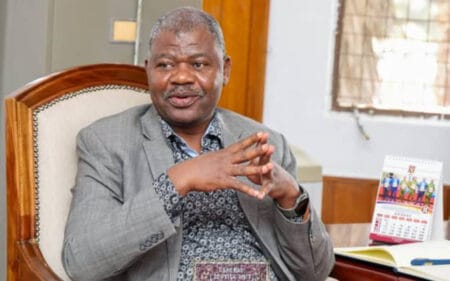
“A better idea for those who want to protest fuel prices—please use that energy to go open the Strait of Hormuz!”—Prof. Makau Mutua
Prof. Makau Mutua, a prominent legal scholar and commentator, echoed the sentiment on social media, appearing to side with the government’s framing of the crisis as an externally driven problem beyond Nairobi’s control.
The remarks drew immediate backlash online, with many Kenyans arguing that the government’s response to the cost-of-living crisis—and the tone of its defenders—reflects a deepening disconnect between those in power and ordinary citizens struggling with rising prices. The protests took place against a backdrop of broader economic hardship, two years before Kenya’s next general election.
Read More from CityNews Kenya:
- Kenya 2027 Elections: How to Protect Your Money and Business
- Big Blow to Ruto and Waiguru As 10 Kirinyaga MCAs Dump UDA for Gachagua’s DCP
- Is Natembeya Ruto’s Mole to Dismantle Gachagua’s Opposition?
- Moses Kuria Predicts Who Will Win the 2027 Presidential Election
- Millie Odhiambo Claims Ruto Is Turning Kenya Into Haiti By Using Goons And Gangs