The Crisis of Trust
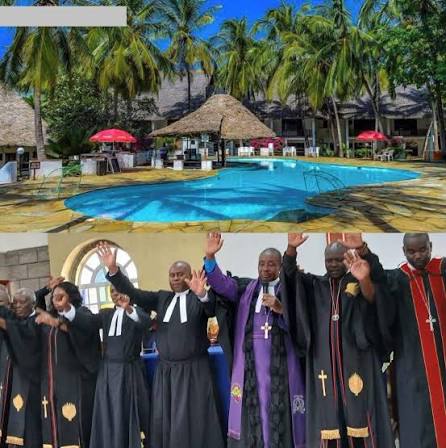
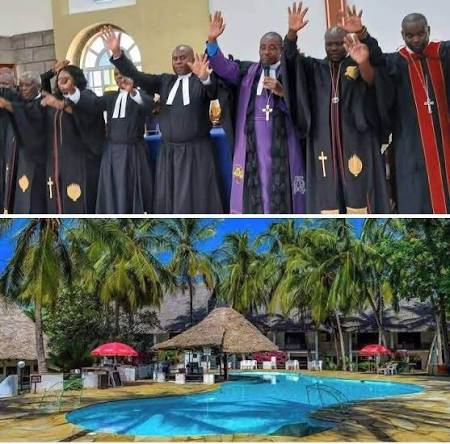
The Milele Beach Hotel saga has exposed deep governance failures within PCEA, raising fundamental questions about how churches manage commercial assets and member contributions. For a denomination with an estimated 4.8 million members , the stakes could not be higher.
The Core Question: If the church cannot manage its own financial affairs, how can congregants trust it with matters of faith?
A senior PCEA member anonymously expressed concern in 2019 that “this church, with its institutions, is terribly failing” and had departed from its core mission of winning souls for Christ .
The Numbers Tell the Story
The financial history of Milele Beach Hotel reveals a pattern of mismanagement, poor planning, and questionable decision-making:
| Year | Event | Financial Impact |
|---|---|---|
| 2007 | Acquisition of Giriama Hotel | KSh811M loan |
| 2010 | Expansion with luxury apartments | KSh650M additional loan |
| 2015 | Presbeta Investment deal collapses | Legal disputes, penalties |
| 2016 | Near-auction, court battles | Debt: KSh727M |
| 2019 | Nationwide harambee campaign | Sh430M raised, debt increased |
| 2024 | Receivership by NBK | Debt: Sh1.07B |
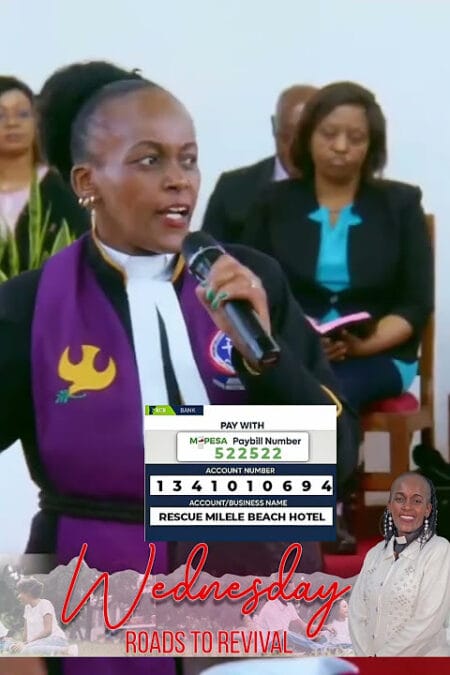
| 2026 | “Operation Okoa Milele” launched | Need Sh703M |
Critical Observation: The church raised approximately Sh430 million from congregants in 2019, yet the debt increased to over Sh1 billion by 2024. This represents a massive failure of financial stewardship.
The Core Contradictions
1. The 2019 Disappearance
Despite raising approximately Sh430 million from congregants, the debt increased. The church’s explanation—that funds were used for court awards, leadership transitions, and interest—does not account for the bulk of the money raised.
2. Spiritualization of Commercial Failure
Framing a debt crisis as “spiritual warfare” may inspire short-term giving but damages long-term trust . Critics question why a commercial failure should be elevated to spiritual status when the problems are clearly financial and operational.
3. Political Entanglement
Seeking government bailouts while claiming independence undermines PCEA’s credibility as an independent religious institution . The scheduled State House meeting with President Ruto, while claimed to be non-political, represents a significant entanglement with political power.
4. No Accountability
No public audit has been provided for the 2019 fundraising proceeds or the hotel’s finances. Congregants have been asked to give again without a full accounting of what happened to the first round of contributions.
5. Governance Failures
- “Implementation not deliberation” directives that suppressed debate
- Leadership transitions that delayed critical decisions
- No clear accountability for funds raised
- Inadequate oversight of the Presbyterian Foundation
The Presbeta Investment Debacle
The 2015 attempt to transfer the hotel to Presbeta Investment Ltd represents a critical governance failure. The company, linked to the Presbyterian Men Fellowship Association, offered to purchase the hotel for about KSh1.2 billion but was unable to raise the required deposit within the agreed period .
The Legal Fallout:
- The Presbyterian Foundation claimed Presbeta owed Sh120 million in liquidated damages
- Multiple court cases were filed
- The bank continued pursuing the debt while the internal dispute raged
This internal conflict between church entities wasted time and money while the debt continued growing.
The Court Battles
The 2016 Case: Presbeta and Milele Beach Hotel Complex filed a lawsuit against NBK in Mombasa HCCC No. 17 of 2015, seeking to block the auction. The case was settled by consent on December 11, 2015, with NBK giving the church until December 18 to present a settlement proposal . When the church failed to comply, NBK resumed auction proceedings.
High Court Judge Anne Omollo dismissed Presbeta’s application to stop the auction in September 2016, ruling that there were no grounds to prevent NBK from recovering its dues .
The 2025 Case: The Presbyterian Foundation sued NBK challenging the issuance of a statutory notice to sell its properties over the Sh811 million loan . The Foundation argued that it had paid over Sh2.3 billion yet the loan was not fully paid back.
NBK’s response was damning: “The so-called luxury apartments have remained a sore sight wasting away along the Mombasa-Malindi road which have not been completed for the last 12 years” .
The Human Cost
The Congregant’s Burden:
PCEA members who gave sacrificially in 2019—believing they were saving a church asset—have been asked to give again in 2026 . The promised dividends and investment returns never materialized.
The Emotional Toll:
- Congregants who gave sacrificially feel betrayed
- The invocation of God’s name for a commercial rescue strains faith
- Many are questioning whether their tithes and offerings are being used appropriately
The Financial Toll:
- Massive contributions from ordinary members have not been accounted for
- No returns on promised investments
- Additional financial burden placed on members for a commercial failure
The Broader Context: Churches in Business
Milele Beach Hotel is not unique. Across Kenya, major denominations have ventured into commercial real estate, hospitality, and education to secure financial independence .
The PCEA’s Commercial Empire:
- Milele Beach Hotel (Mombasa)
- Milele Mall (Nairobi)
- Presbyterian University of East Africa
- Various guest houses and conference centers
The philosophy, articulated by Reverend Timothy Njoya, is that businesses free churches from “dependency on political handouts for their expansion and growth” .
The Risk: When churches become property developers and hoteliers, they expose themselves to market risks and financial vulnerabilities that their core mission of saving souls should not subject them to.
The Way Forward
For PCEA to restore trust and successfully complete “Operation Okoa Milele,” several steps are essential:
1. Full Transparency
- A comprehensive audit of all funds raised in 2019 and 2026
- Detailed accounting of how funds were used
- Public release of all financial records related to the hotel
2. Governance Reforms
- Separation of commercial operations from core church governance
- Professional management of commercial assets
- Independent oversight and accountability
3. Member Engagement
- Genuine consultation with congregants, not “implementation not deliberation” directives
- Clear communication about risks and returns
- Respect for members who question the use of funds
4. Restoring Trust
- Acknowledgment of mistakes
- Commitment to transparency going forward
- Prioritization of core church mission over commercial ventures
5. Professional Management
- Consideration of selling the hotel to professional hospitality operators
- Engagement of financial advisors and turnaround specialists
- Development of realistic business plans
The Question for PCEA Members
As the church launches its third major fundraising campaign in seven years, congregants face a difficult choice: Give sacrificially to save a property that has been mismanaged for nearly two decades, or demand accountability and transparency before contributing further.
The Response from Leadership:
The current leadership insists the hotel is “not for sale” and that they are “firm” in their intention to “redeem, revamp and reopen it for the benefit of the church, the people of Mombasa and the nation at large” .
The Stakeholders’ Dilemma:
- Congregants: Should they give again without accountability for the first round?
- Creditors: Will they ever recover their money?
- The Church: Can it restore trust and salvage its reputation?
- The Public: What does this saga say about church governance in Kenya?
Conclusion: A Moment of Reckoning
Whether Operation Okoa Milele succeeds will depend not just on the Sh703 million required, but on whether PCEA’s leadership can restore trust, implement governance reforms, and demonstrate accountability for the millions already contributed by faithful members.
The Bottom Line: The Milele Beach Hotel saga represents a cautionary tale of what happens when faith-based institutions venture into commercial real estate without adequate governance, risk management, or accountability structures .
For the Presbyterian Church of East Africa, the road ahead is clear: full transparency, genuine accountability, and a renewed commitment to its core mission of winning souls for Christ.
The alternative—continued mismanagement, further fundraising appeals, and eventual loss of the property—would represent a devastating betrayal of the trust of millions of faithful members who have given sacrificially to support their church.
The Verdict: The 2019 funds “disappeared” in the sense that they did not achieve their stated purpose of clearing the debt. Whether through mismanagement, diversion, or simple incompetence, the funds raised from faithful members did not save the hotel. Now, those same members are being asked to give again, without full accounting of what happened to their first sacrifice.
← Previous Article: Operation Okoa Milele: PCEA’s Final Stand or Another Fundraising Mirage?