A Vision Born of Faith and Ambition
In August 2007, the Presbyterian Church of East Africa (PCEA) made a strategic move that would shape its financial destiny for the next two decades. The church acquired the Giriama Hotel, a beachfront property along Mombasa’s Malindi Road in the Bamburi Beach area, from the late Eliud Mahihu, a former Coast Provincial Commissioner during President Jomo Kenyatta’s administration and a longtime PCEA elder .
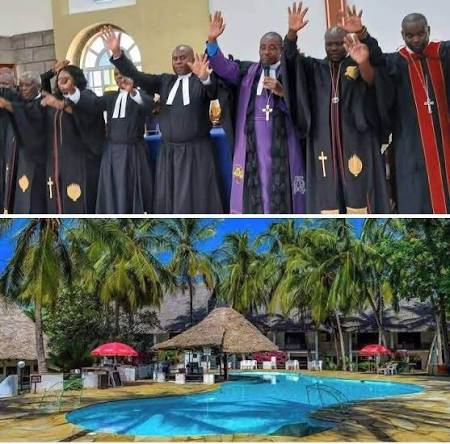
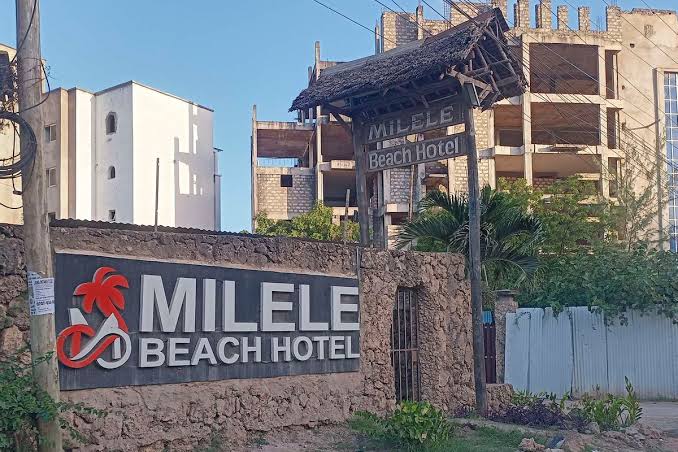
The property, renamed Milele Beach Hotel, sits on nine acres of colorful tropical gardens overlooking the Indian Ocean. It captures traditional Swahili architecture with two swimming pools, a white sandy beach, and soothing breeze against tropical palm trees . The hotel boasts 72 guest rooms, 10 fully furnished apartments, a rooftop restaurant with a capacity of 300, five conference halls, and two swimming pools .
The Vision: The church envisioned an income-generating asset that would support mission work and provide a non-alcoholic, Christian-friendly hospitality destination. PCEA described it as “the only non-alcoholic establishment on that stretch of the coast” . The hotel operates as a non-alcoholic, non-smoking Christian hotel catering mainly to families, church groups, and corporate retreats .
The Philosophy Behind Church Commercial Ventures
The acquisition was part of the church’s investment plan to diversify its income through commercial ventures while supporting its long-term financial goals . According to long-time activist and former head of the church, Reverend Timothy Njoya, businesses free churches from “dependency on political handouts for their expansion and growth” .
This philosophy was not unique to PCEA. Across Kenya, major denominations have ventured into commercial real estate, hospitality, and education to secure financial independence. However, the Milele Beach Hotel story would become a cautionary tale of what happens when faith-based institutions enter commercial ventures without adequate governance, risk management, or accountability structures.
The Acquisition: A Pivotal Moment
The purchase came at a precarious moment in Kenya’s history. In August 2007, the same month the church acquired the hotel, PCEA also obtained a letter of interim authority to establish the Presbyterian University of East Africa (PUEA). This was a period of ambitious expansion for the denomination.
The Warning Signs: Five months after the acquisition, Kenya was engulfed in post-election violence that devastated the tourism sector. The hotel’s revenue potential was severely impacted from the very start, setting the stage for the financial crisis that would unfold over the next two decades.
By 2019, the church would write to all its members across 56 presbyteries asking them to save the KSh1.7 billion hotel from auction. At the time, the church targeted raising KSh13 million per month for two years straight to avert the financial crisis . The church later explained to its members that the money invested would be converted to shares and that investors would earn dividends from profits made by the hotel .
The Structure of Ownership
Milele Beach Hotel is owned by the Presbyterian Church of East Africa through its investment arm, the Presbyterian Foundation, a limited company serving as the church’s property-holding vehicle . PCEA lists Milele Beach Hotel among the foundation’s assets .
The Presbyterian Foundation, a legal entity wholly owned by PCEA, manages the church’s property interests . This structure was designed to separate commercial operations from core church governance, but as events would unfold, the lines between faith and finance would become dangerously blurred.
The Property’s Potential
Before the financial troubles began, Milele Beach Hotel was considered a prime asset. Located 20 minutes north of Mombasa city center, close to Haller Park, the hotel offers direct access to Bamburi Beach . The rooms are equipped with air conditioning, mosquito nets, satellite television, Wi-Fi, and private balconies overlooking the gardens or swimming pools .
Current booking listings show standard room rates starting at about KSh10,040 per night, although prices vary depending on the season and booking platform . The hotel’s amenities include five conference halls and expansive gardens for weddings, corporate workshops, and team-building activities .
This potential would remain largely unrealized as the church’s financial management failures mounted over the years.
The Unraveling Begins
What started as a strategic investment in 2007 would devolve into a nearly two-decade financial saga involving an KSh811 million loan, failed property development, multiple near-auctions, congregational harambees, and now receivership . The question on every congregant’s mind: How did a church’s ambitious real estate venture become a cautionary tale of mismanagement, questionable fundraising tactics, and a leadership crisis that has left millions questioning whether their donations are truly going to God or to salvage a commercial failure?
The Debt Timeline:
- 2007: Acquisition of Giriama Hotel
- 2010: Decision to expand with luxury apartments
- 2015: Outstanding debt: KSh767.6 million
- 2016: Debt: KSh727 million
- 2019: Debt: KSh761 million; nationwide harambee launched
- 2024: Receivership; debt exceeds Sh1 billion
- 2026: Negotiated debt: Sh753 million; Sh703 million still required
→ Continue reading: How A KSh650 Million Loan, Terrorism, and COVID-19 Sank’s PCEA Milele Beach Hotel