
A KTN investigation exposed a syndicate issuing Kenyan IDs and passports to Somalis, Ethiopians, and even Sudan’s RSF rebels—but a UDA MP says the rot started under the previous regime.
A close ally of President William Ruto has come out swinging in defence of the Kenya Kwanza administration, claiming that a sophisticated syndicate responsible for issuing illegal Kenyan identity cards to foreign nationals operated at its peak during former President Uhuru Kenyatta’s tenure in 2022.
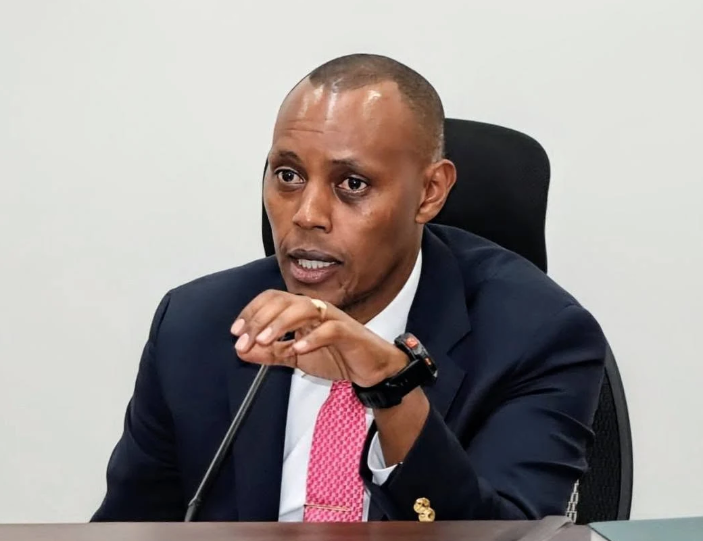
Belgut Member of Parliament Nelson Koech, who chairs the Departmental Committee on Defense, Intelligence, and Foreign Relations, made the explosive claims during a heated panel discussion on Citizen TV’s Day Break. His remarks come in response to a damning KTN undercover investigation that exposed how foreign nationals from Somalia, Ethiopia, Burundi, and Uganda have been obtaining Kenyan identity cards, passports, and birth certificates through bribery and corruption.
“We went further and looked into the identification cards they claimed to be illegally acquired. The IDs were issued in the year 2022 when Fred Matiang’i was the Cabinet Secretary and Uhuru Kenyatta was the President,” Koech stated.
The investigation, dubbed “Auctioning Our Identity,” documented cases where individuals allegedly born outside Kenya successfully acquired authentic Kenyan identification documents after altering key personal details, including dates and places of birth. According to the report, corrupt officials within the Immigration Department and the National Registration Bureau facilitated the scheme, with foreigners paying as little as Ksh15,000 for a Kenyan ID.
Even more alarming, the investigation uncovered allegations involving a Sudanese Rapid Support Forces (RSF) commander obtaining a Kenyan passport. The Algoney Hamdan Dagalo case, where a senior Sudan RSF commander linked to the Sudan war was allegedly issued a Kenyan travel document, has raised serious questions about national security.
The scandal has exposed deep-seated institutional vulnerabilities in Kenya’s registration system. Critics have pointed to the removal of multi-agency vetting frameworks for border county residents—including local chiefs, DCI officers, NIS personnel, and registration officials — as a key factor that opened the floodgates.
“The lack of stringent secondary vetting has allowed bad actors to bypass established security protocols,” warned Kajiado North MP Onesmus Ngogoyo during the same panel discussion.
Koech, however, maintained that once an individual is fraudulently entered into the national database and issued an identity card, subsequent government agencies face near-insurmountable challenges in denying them further documentation. “If the National Intelligence Service in 2022 found it proper to issue an ID to these individuals, what would the Director of Immigration use to deny the same person an opportunity to own a passport?” he questioned.
The scandal has intensified calls for accountability, with immigration officials reportedly telling investigators that they were issuing passports and IDs from “orders from above.” Immigration Director General Evelyn Cheluget and Principal Secretary Belio Kipsang are now at the centre of the storm.
Security experts have warned that fraudulent identity documents could have far-reaching consequences for national security and electoral integrity ahead of the 2027 general election. Opposition leaders have already accused President Ruto of plotting to rig the 2027 elections through the alleged illegal issuance of identity documents to foreign nationals.
For now, State House has remained silent on the matter, while Kenyans wait to see who—if anyone—will be held accountable for a scandal that has compromised the integrity of the Kenyan passport and exposed the nation to serious security threats