
A consortium headed by China’s CCCC (China Communications Construction Company) has secured the $2.9 billion (Sh 375 billion) contract to build a new terminal and second runway at Jomo Kenyatta International Airport. The project aims to push the airport’s annual passenger capacity up by 15 million by 2029 and increase hourly flight handling from 14 to 63.
On paper, it is an infrastructure win Kenya badly needs. But buried in the consortium details is a name that has set off alarm bells: Wicknell Chivayo, the Zimbabwean businessman whose company, IMC Construction Kenya, is reportedly a joint-venture partner alongside CCCC and CRBC (China Road and Bridge Corporation).
Who Is Wicknell Chivayo?

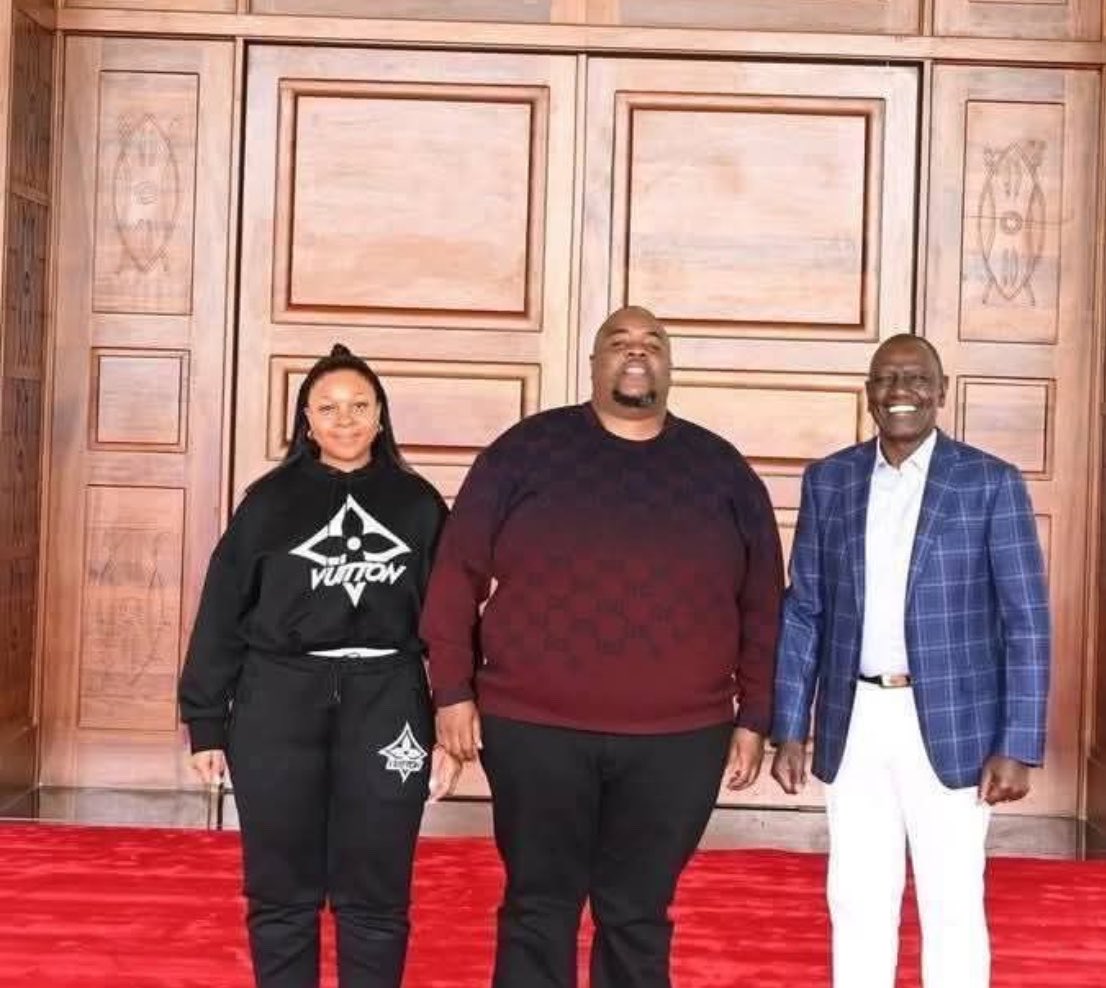
Chivayo is not a stranger to controversy. His name has repeatedly surfaced in corruption allegations tied to public contracts across Southern Africa, and he carries fraud convictions in Zimbabwe. He has also been photographed on multiple occasions with President William Ruto at State House, fueling speculation about the nature of his access to Kenya’s corridors of power.
Reports from Zimbabwe Live News suggest the arrangement bringing Chivayo into the JKIA consortium was actually reached last year, well before any public announcement. Around that same period, Chivayo reportedly shared a video hinting at a major regional deal, the meaning of which only became clear once his JKIA connection surfaced.
A Price Tag That Doesn’t Add Up
What has drawn the sharpest criticism is cost. The CCCC-led consortium’s $2.9 billion bid comes in higher than the earlier Adani Group proposal for the same expansion, a deal that was ultimately cancelled. Critics are asking the obvious question: if a cheaper option for the same scope of work was on the table and rejected, why is Kenya now paying more for it?
Civil society voices and opposition figures are demanding full contract transparency, including the financing structure, repayment terms, and the precise role each consortium partner, including Chivayo’s IMC Construction Kenya, will play in the project.
The Case for the Deal
Supporters of the arrangement point to CCCC’s track record in Kenya, most notably its role in delivering the Standard Gauge Railway, as evidence the firm can execute large-scale infrastructure projects competently. They argue that JKIA’s capacity constraints are a genuine bottleneck for Kenya’s aviation and tourism sectors, and that delaying expansion further would cost the economy more than any premium being paid now.
Is Chivayo just a proxy?
Some critics have gone further, suggesting Chivayo’s presence in the consortium is not really about his own business interests but rather a vehicle for arrangements benefiting figures closer to home. It is worth being precise here: this remains an allegation, not an established fact, and even the reports surfacing it describe it as something still being pieced together rather than confirmed.
What is not in dispute is that a businessman with a fraud conviction and a documented pattern of controversy across the region is now positioned inside one of Kenya’s largest infrastructure contracts in years. That alone is reason enough for the government to lay out the deal’s full terms publicly.
As construction timelines firm up and financing details emerge, the pressure for transparency on this contract is unlikely to fade. For a project meant to define Kenya’s aviation future for the next decade, Kenyans are entitled to know exactly who benefits and at what cost.