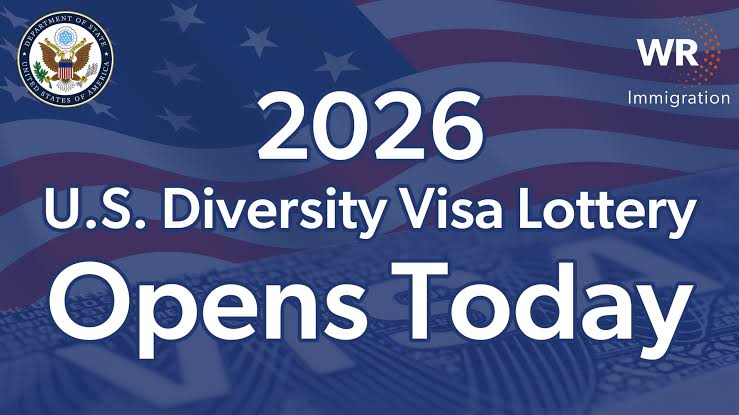
If you’re one of the many Kenyans who apply for the US Green Card Lottery every year, you need to know this isn’t operating normally right now. The program hasn’t been cancelled, but it has been paused since December 2025, and the pause is still in effect as of this writing.
Here’s exactly what happened, what it means if you’re a DV-2026 selectee or planning to apply for DV-2027, and what legitimate alternatives are worth exploring in the meantime.
What Actually Happened
On December 18-23, 2025, the US Department of Homeland Security and Department of State jointly paused the Diversity Visa (DV) program — commonly known as the Green Card Lottery. According to the State Department’s own published guidance, the decision followed security concerns connected to a shooting at Brown University and the killing of an MIT professor, both incidents involving an individual who had reportedly entered the US through the DV program. USCIS separately issued a policy memorandum placing a hold on all pending adjustment-of-status applications filed by DV selectees, directing officers to conduct enhanced vetting, including possible in-person interviews or re-interviews, before any case moves forward.
Important distinction: this is a pause for security review, not a permanent cancellation. The Diversity Visa program itself was created by an act of Congress in 1990, and ending it permanently would require congressional action, not just an executive pause. As of the most recent updates available, no end date for the pause has been announced.
What This Means If You Were Selected for DV-2026
Roughly 129,500 people worldwide were selected in the DV-2026 lottery, drawn from over 20.8 million entries. If you’re among them, here’s the situation:
- You can still submit your application (Form DS-260) and attend a scheduled consular interview. The pause stops visa issuance and approval, not the ability to keep your paperwork moving through the pipeline.
- No diversity visas are currently being approved or issued while the security review continues, meaning even a completed, interview-passed case can sit unresolved.
- The September 30, 2026 deadline has not been extended. By law, DV-2026 eligibility ends at the close of the US government’s fiscal year, and current guidance indicates the pause does not pause this statutory deadline. If your visa hasn’t been issued by then, you permanently lose that selection — there is no rollover to next year.
- Existing, already-issued green cards have not been revoked. This pause affects pending cases, not people who already completed the process before the pause began.
Given how close and unforgiving that September 30 deadline is, this is a situation where consulting a licensed US immigration attorney is genuinely worth the cost, not an unnecessary expense. In similar past disruptions to DV processing, affected selectees have pursued litigation, and courts have at times ordered the government to reserve or process a limited number of visas before a fiscal year closes — but whether that route is available to you depends on facts specific to your case that a general guide like this one can’t evaluate.
What This Means If You’re Planning to Apply for DV-2027
- Registration has been delayed indefinitely. DV-2027 was originally expected to open around its usual autumn window; as of the most recent updates, no registration date has been announced.
- A new $1 entry fee will apply when registration does open — the first time in roughly 30 years the DV lottery has charged anything to enter.
- A valid, unexpired passport scan will be required at the time of entry under rules that took effect in April 2026, a stricter requirement than in past cycles.
- Watch official channels only — travel.state.gov and USCIS.gov are the only legitimate sources for DV-2027 registration dates. Be especially wary of any third-party site charging a fee to “register” you or guarantee entry; the real government process is free (aside from the new $1 fee directly to the government) and doesn’t require an intermediary.
Why This Matters More for Kenyans Specifically
The DV program has historically allocated a substantial share of its visas to African applicants — recent visa bulletin figures put the African regional allocation in the tens of thousands annually, among the largest of any region. That means Kenya, alongside Nigeria, Ethiopia, and other high-entry countries, has a disproportionately large number of people directly affected by this pause compared to countries where DV applications are less common.
Legitimate Alternatives Worth Exploring
The Diversity Visa was always just one of several legal pathways to the US, and with it paused indefinitely, it’s worth understanding what else exists — though each comes with its own eligibility requirements, and none is a quick or guaranteed substitute:
- Employment-based visas (H-1B, O-1, EB categories): Available to those with a qualifying job offer, specialized skills, or extraordinary ability in their field. These generally require employer sponsorship, and the H-1B specifically is subject to an annual lottery of its own.
- F-1 student visa pathway: Studying at a US institution can lead to Optional Practical Training (OPT) work authorization after graduation, which some later convert into an employer-sponsored visa. We cover this path in detail in our companion guide for Kenyan students.
- Family-based petitions: If you have an immediate relative who is a US citizen or lawful permanent resident, family sponsorship remains a separate, unaffected pathway.
- K-1 fiancé(e) visa: For those engaged to a US citizen, this remains a distinct process from the DV program.
- J-1 exchange visitor programs: Various work-and-study exchange programs offer temporary US entry, though most carry a home-residency requirement afterward rather than a direct path to permanent status.
We cover the employment-based and student pathways in more detail in our companion guides on the US Green Card process for Kenyans and the F-1 to Green Card path for Kenyan students.
A Necessary Disclaimer
This article explains the general, publicly available status of the DV program based on official State Department and USCIS guidance at the time of writing. It is not legal advice, and immigration law changes quickly, sometimes within days. If you’re a DV-2026 selectee facing the September 30 deadline, or considering any alternative pathway, speak directly with a licensed US immigration attorney about your specific situation — the cost of a consultation is genuinely small compared to what’s at stake in a case this time-sensitive.
Bottom Line
The Green Card Lottery is paused, not dead — but “paused” still means real people are at real risk of permanently losing a selection they won fairly, because the statutory deadline hasn’t moved along with the pause. If you’re affected, don’t wait passively for news: keep your documentation current, attend any scheduled interviews, monitor travel.state.gov and USCIS.gov directly, and get a qualified attorney’s read on your specific timeline as soon as possible.
This article reflects the DV program’s status as of the most recent available official guidance. Given how quickly this situation is developing, always verify the current status directly at travel.state.gov before making decisions based on this information.