Planning a Kenyan safari involves more moving parts than most travelers expect — entry requirements, park costs that have been in flux since late 2025, safety considerations, and the age-old question of when to go. This guide pulls it all into one place: the essentials on this page, with links through to our in-depth breakdowns wherever you need more detail.
Quick Facts Before You Start
- Entry: Almost all non-East African visitors need an approved eTA before departure — no more visa-on-arrival.
- Cost: Budget $30 for your eTA, plus park entry fees that vary by park and have been unusually unsettled since a 2025 fee dispute (details below).
- Safety: Kenya is safe for the areas nearly every tourist actually visits; the flagged risk zones sit far from any standard safari route.
- Best time to visit: July through October for the wildebeest migration; January-February for calving season and thinner crowds.
- Currency: Kenyan Shilling (KES), though most safari operators and lodges quote and accept payment in USD.
Step 1: Sort Your Entry Requirements
Since January 2024, Kenya has run entirely on the Electronic Travel Authorization (eTA) system — the old visa-on-arrival and eVisa options are gone. Every visitor except East African Community citizens needs an approved eTA before boarding their flight, including infants. It costs $30, is applied for entirely online, and typically clears in 24-72 hours — but there’s no fallback if you arrive without one, so this is the first box to tick, not the last.
Read the full breakdown: Kenya Visa & eTA Requirements 2026 — covers the step-by-step application process, required documents, the East African Tourist Visa option for multi-country trips, and the common mistakes that cause delays.
Step 2: Budget for Park Fees (And Know They’re Still in Flux)
Kenya’s national park fees went through a contentious overhaul starting in October 2025 — a steep price increase, a court injunction that froze enforcement, and a payment portal that kept charging the new rates anyway. The upshot: as of 2026, most travelers are still paying the higher, contested fees, with refunds only possible if the courts eventually rule against the increase.
Non-resident visitors are currently seeing figures in the range of $60-90 for most major parks, with the Maasai Mara priced separately and more expensive at up to $200 in peak season, since it’s managed by Narok County rather than the Kenya Wildlife Service.
Read the full breakdown: Kenya Safari Park Fees 2026 — covers exact current pricing by park, the background of the legal dispute, and how to protect yourself with proper documentation in case of a future refund.
Step 3: Understand the Real Safety Picture
“Is Kenya safe?” is one of the most common questions we hear, and the honest answer is yes, for the areas nearly every visitor actually goes to. Official advisories from the US, UK, and Australian governments flag specific border regions near Somalia and Ethiopia — nowhere near the Maasai Mara, Amboseli, or the southern coast. The more realistic everyday risks are city street crime in Nairobi, road safety, and health precautions like malaria — all manageable with standard precautions.
Read the full breakdown: Is Kenya Safe for Tourists in 2026? — covers exactly which areas to avoid, Nairobi-specific safety tips, the current protest situation, and health preparation.
Step 4: Pick Your Timing
Kenya is a year-round destination, but when you go changes what you’ll see and how much you’ll pay:
- July-October (peak dry season): The Great Migration typically brings massive wildebeest and zebra herds across the Maasai Mara from Tanzania’s Serengeti, including dramatic Mara River crossings. This is peak season — book lodges and flights months ahead, and expect the highest prices and biggest crowds.
- January-February: The Southern Serengeti/Ndutu area (just over the Tanzania border) sees calving season, while Kenya’s parks are drier, greener-adjacent, and noticeably less crowded than peak migration months — a strong pick if you want good wildlife viewing without July-October pricing.
- November-May (green season): Lush landscapes, dramatic skies, and the lowest prices and crowds of the year, though some roads in remoter conservancies can turn muddy after rain. Bird watchers particularly favor this period for migratory species.
- March-May (long rains): The quietest and cheapest window, but also the one where some camps close temporarily and game viewing can be harder in thicker vegetation.
Step 5: Choose Your Parks
Kenya has more safari destinations than most first-time visitors realize:
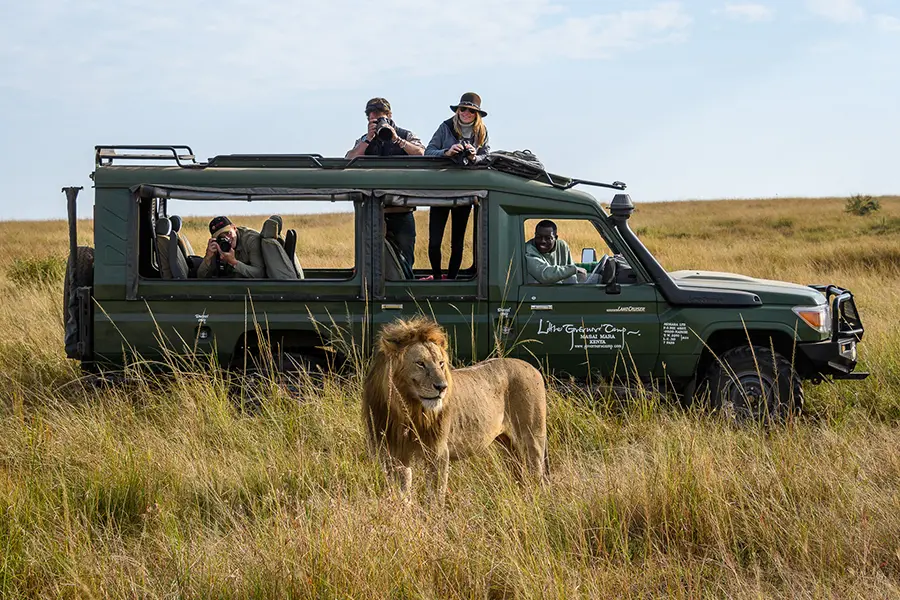
- Maasai Mara National Reserve — the headline destination, famous for the migration and consistently high predator sightings; also the most expensive and crowded.
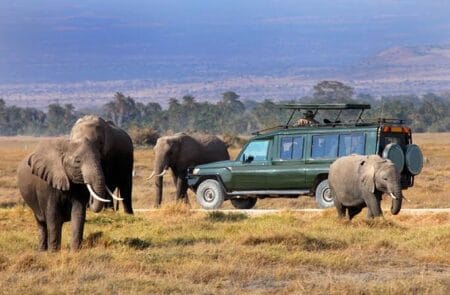
- Amboseli National Park — famous for close-up elephant herds set against Mount Kilimanjaro’s backdrop on clear days.
- Tsavo East & West — Kenya’s largest protected area, known for red-dust “painted” elephants and dramatic, less-crowded landscapes.
- Lake Nakuru National Park — compact and easy to combine with a Nairobi-based itinerary, known for rhino sightings and (seasonally) flamingos.
- Samburu National Reserve — a northern option with species you won’t see further south, like the Grevy’s zebra and reticulated giraffe, and generally lighter crowds.
- Laikipia Plateau conservancies — private, lower-density reserves offering night drives and walking safaris that the national parks don’t permit.
Most first-time visitors combine 2-3 of these into a 5-7 day circuit, often starting or ending with a day or two in Nairobi.
What to Pack
- Neutral-colored clothing (khaki, olive, brown) — avoid bright colors and all-black or all-white, which can attract insects or unsettle wildlife
- Layers — mornings on game drives are cold, especially in open vehicles, even though days warm up quickly
- A good pair of binoculars — camps rarely provide these, and they make a real difference in spotting distant wildlife
- Malaria prophylaxis, sunscreen, and insect repellent
- A dust-proof bag or cover for camera equipment — safari roads are genuinely dusty outside the rains
- Cash in small USD bills for tips — most camps and drivers expect tips in cash, not cards
Getting There and Getting Around
Most international visitors fly into Jomo Kenyatta International Airport (Nairobi) or Moi International Airport (Mombasa, for coastal add-ons). From Nairobi, safari circuits are reached either by road (longer, cheaper, and lets you see the countryside) or by light aircraft transfer between parks (faster and often surprisingly affordable given the time saved, especially for multi-park itineraries). Most travelers book ground transport and internal flights through their safari operator rather than arranging these independently, since operator-arranged transfers are timed around game drive schedules and lodge check-ins.
Booking Tips
- Book lodges and flights for peak season (July-October) at least 4-6 months out — the best camps in the Mara sell out well in advance.
- Use an operator who tracks park fee changes daily — given the ongoing park fee dispute, this is one area where a good local operator earns their commission.
- Confirm your accommodation before applying for your eTA — the application requires confirmed, not tentative, bookings.
- Build in a buffer day — flight delays and weather can shift game drive schedules, and rushing a safari itinerary is the most common regret first-time visitors report.
Frequently Asked Questions
Do I need a visa to visit Kenya? Yes, unless you’re an East African Community citizen — but it’s a $30 online eTA, not a traditional visa, and takes most travelers under 20 minutes to apply for. Full details here.
Is Kenya safe for solo travelers? Yes, for the standard tourist circuit — solo travelers should apply the same city-safety precautions (verified transport, avoiding walking alone at night in Nairobi) that apply to any major city worldwide. Full safety breakdown here.
How much does a Kenya safari cost in 2026? This varies widely by trip style, but expect park fees alone to run $60-200 per person per day depending on the park, on top of accommodation, transport, and guiding costs. See current park-by-park fees here.
What’s the best time to see the wildebeest migration? July through October, with the dramatic Mara River crossings typically occurring in the peak months of August and September, though exact timing shifts year to year based on rainfall patterns.
Bottom Line
A Kenya safari rewards preparation — sort your eTA early, budget with the current (unsettled) park fee reality in mind, and time your trip around what you most want to see, whether that’s the migration spectacle or a quieter, greener visit. We keep all three of our deep-dive guides above updated as conditions change, so bookmark this page as your central reference while you plan.