If you’ve started planning a Kenyan safari or coastal holiday, you’ve probably typed “is Kenya safe” into Google at least once. It’s a fair question—a quick search turns up terrorism warnings, Nairobi’s old “Nairobbery” nickname, and headlines about street protests. As a Kenya-based newsroom, we get asked this constantly, so here’s the straight answer, drawn from official government advisories and what we see on the ground:
**Yes, Kenya is safe for the vast majority of tourists in 2026—provided you understand where the real risks are and avoid a handful of specific areas.**
The Quick Answer
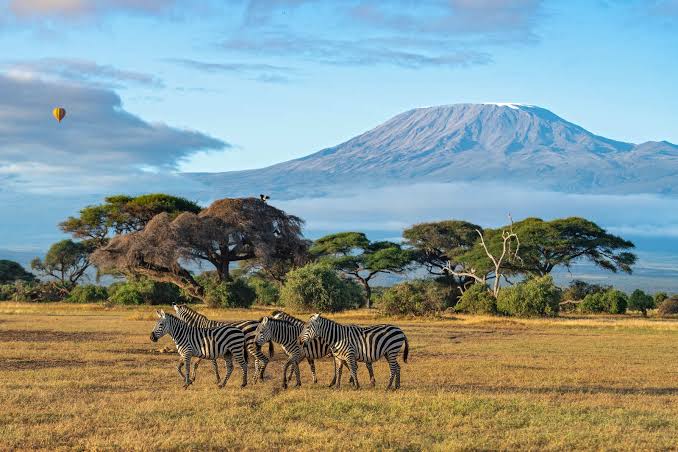
Millions of visitors travel through Nairobi, the Maasai Mara, Amboseli, and the southern coast every year without incident. The danger zones that show up in official advisories are almost entirely far from anywhere a typical safari or beach holiday would take you — mostly along the northeastern border with Somalia. The bigger everyday risks for tourists aren’t terrorism at all; they’re petty crime in cities, road accidents, and health issues like malaria — all manageable with basic precautions.
What the Official Travel Advisories Actually Say
Three of the world’s most-consulted government advisories—the US State Department, the UK’s Foreign, Commonwealth & Development Office (FCDO), and Australia’s Smartraveller—all follow a similar pattern: caution for the country overall, with hard “do not travel” restrictions limited to specific countries.
The areas flagged as highest-risk sit along the Kenya–Somalia border and the far north: Mandera, Wajir, and Garissa counties, parts of Tana River County, coastal areas north of Malindi, and pockets of Turkana and Marsabit near the Ethiopian border. These regions are targeted because of Al-Shabaab activity and cross-border banditry — and they’re nowhere near the Maasai Mara, Amboseli, Diani, or Nairobi’s main tourist areas. Within Nairobi itself, advisories single out the Eastleigh and Kibera neighborhoods specifically, not the city as a whole.
It’s worth noting that this isn’t a new or worsening picture—these same border-region warnings have been in place for years, and the UK government itself acknowledges that the risk assessment is about specific geography, not the country broadly.
Should You Worry About the Protests?
If you’ve read recent news, you’ll know Kenya has seen periodic anti-government demonstrations, and both the UK and Australian advisories have flagged potential protest dates through mid-2026, warning that gatherings in Nairobi and other towns can escalate and that police have used tear gas to disperse crowds. This is real and worth planning around—but it’s manageable:
Protests tend to cluster around specific announced dates (often tied to political or economic flashpoints), not constant, unpredictable unrest.
They’re concentrated in central business districts and government buildings, not safari lodges, national parks, or coastal resorts.
-The standard advice from embassies is simple: avoid crowds and demonstrations; monitor local news for planned protest dates before travelling into a city center, and keep vehicle doors locked if you’re caught near one.
This is exactly the kind of fast-changing detail a local newsroom can track better than an international travel blog—we’ll keep this section updated as new dates or developments emerge, so bookmark this page before your trip.
Is the Safari Circuit Itself Safe?
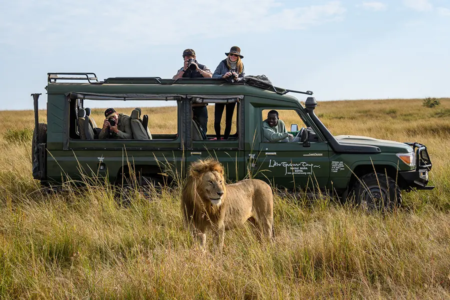
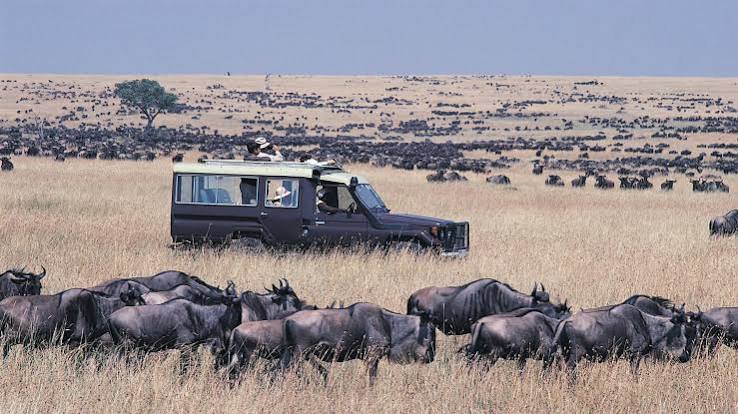
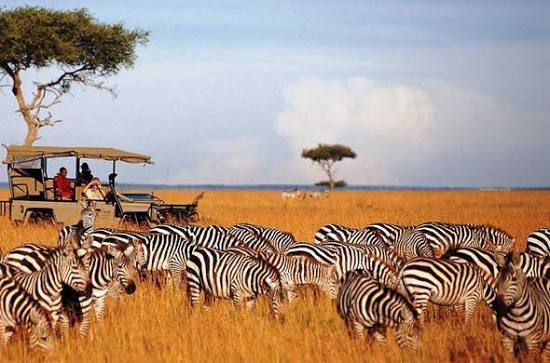
Yes — and this is the part most first-time visitors worry about unnecessarily. Kenya’s major parks and conservancies (Maasai Mara, Amboseli, Tsavo, Lake Nakuru, and Laikipia) maintain dedicated ranger and security posts at entry points, and incidents involving tourists inside these areas are extremely rare. Lodges and camps are staffed and gated; game drive vehicles are supervised by licensed guides; and the areas sit hundreds of kilometers from any advisory “no-go” zone. If you’re flying directly into a safari camp or coastal resort rather than road-tripping through the country, your risk exposure drops even further.
Nairobi: What to Actually Watch For
Nairobi earned its old “Nairobbery” reputation decades ago, and while the city has invested heavily in tourist-corridor security since, ordinary street crime—pickpocketing, opportunistic mugging, and carjacking—is still the most realistic risk for visitors, not terrorism. Sensible precautions go a long way:
– Use Uber or Bolt instead of hailing taxis off the street.
– Avoid walking alone after dark, even in areas that feel safe during the day.
– Don’t resist if someone attempts a robbery — hand over valuables and report it afterward.
– Keep a copy of your passport separate from the original, and leave valuables in your hotel safe.
– Stick to well-known hubs like Westlands, Karen, and the city center for evening activity.
The Coast: North vs. South of Malindi
This distinction matters more than most guides make clear. The coastline south of Malindi — including Diani Beach and Watamu — sees heavy tourist traffic and is considered safe, with resorts offering private security and gated grounds. North of Malindi, and especially mainland Lamu County, carries genuine terrorism risk according to Western advisories; the historic island of Lamu itself is generally fine if you fly directly into Manda Airport rather than driving through the mainland.
READ MORE:
Kenya Safari Park Fees 2026: What Tourists Are Actually Paying (And Why It’s Still Confusing)
Health Risks Are the Bigger Everyday Concern
Statistically, more tourists are affected by health issues than crime or terrorism. A few things worth planning for:
– **Malaria** is present in most areas below 2,500 meters—talk to a travel clinic about prophylaxis before you go.
– **Tap water** isn’t safe to drink; stick to bottled or filtered water, including for brushing your teeth.
– **Road travel** carries real risk—Kenya’s roads see a higher fatality rate than global averages, so reputable tour operators with vetted drivers are worth the extra cost, and avoid road travel after dark where possible.
– **Medical evacuation insurance** is strongly recommended, particularly if you’re heading deep into remote conservancies—specialist services can arrange air evacuation to Nairobi hospitals if something goes wrong far from a town.
– **Yellow fever vaccination** is required if you’re arriving from certain neighboring countries — check current requirements before you fly.
Practical Safety Checklist for Kenya in 2026
– Register with your embassy’s traveler program before arrival (e.g., STEP for US citizens).
– Book with established tour operators who use vetted drivers and guides.
– Avoid the specific border counties named in official advisories — they’re not on any standard tourist itinerary anyway.
– Check for planned protest dates in Nairobi before scheduling city time.
– Get comprehensive travel and medical evacuation insurance.
– Keep valuables minimal and out of sight in cities; dress modestly in rural and coastal communities.
Bottom Line
Kenya’s tourist reputation as a safari paradise is well earned, and the country remains genuinely safe for the areas nearly every visitor actually goes to. The real risks are concentrated in a handful of well-documented border regions that don’t overlap with tourist routes, plus everyday precautions around city crime, road safety, and health that apply to most international travel. The one thing worth actively monitoring in 2026 specifically is the protest calendar in Nairobi and other towns — check official advisories close to your travel dates, and you’ll be planning with the same information the embassies themselves are working from.
*This guide is updated as advisories and on-the-ground conditions change. For the latest official guidance, consult the [US State Department](https://travel.state.gov), [UK FCDO](https://www.gov.uk/foreign-travel-advice/kenya), or [Australian Smartraveller](https://www.smartraveller.gov.au) advisories for Kenya directly.*
You can bookmark this for updated travel updates to Kenya