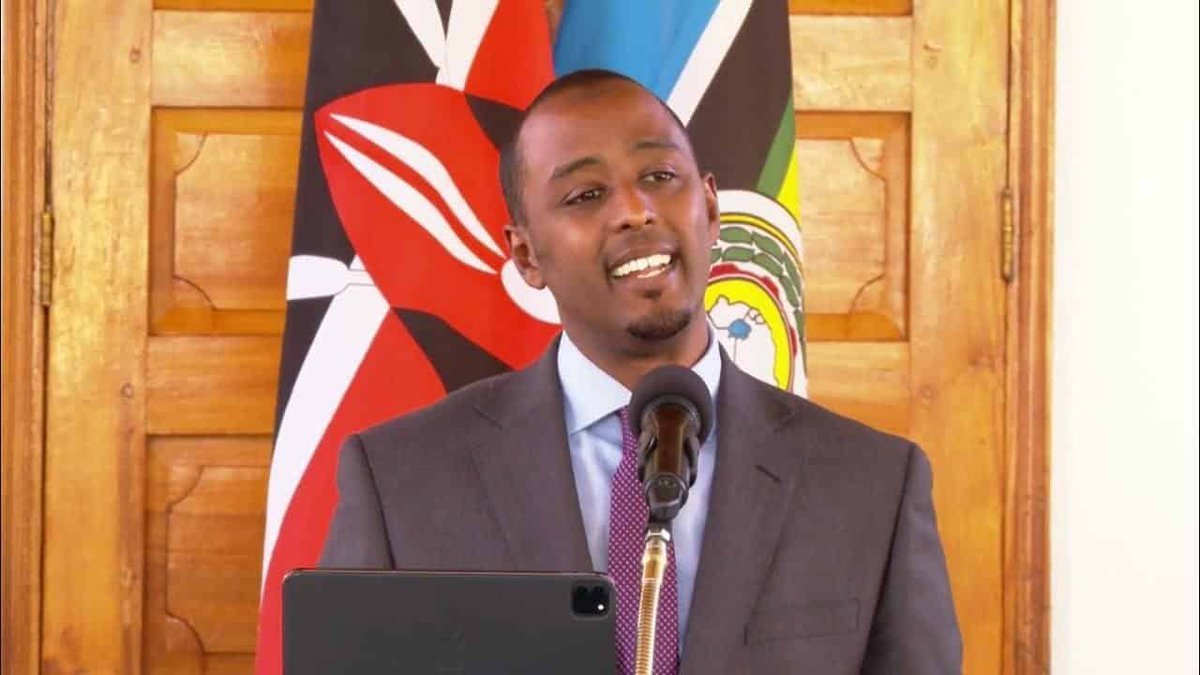
State House Spokesperson Hussein Mohamed has deleted a press statement after social media users pointed out that it named the wrong Japanese Prime Minister. The since-removed post announced that President William Ruto would meet “Prime Minister Shigeru Ishiba” on the sidelines of the G7 Summit.
There is one problem: Shigeru Ishiba is no longer Japan’s Prime Minister. He left office in October 2025, succeeded by Sanae Takaichi, who has been running the country for the better part of a year and was, in fact, in London meeting British Prime Minister Keir Starmer just two days before the State House’s statement went out.
An Easily Avoidable Error
Takaichi made history as Japan’s first female Prime Minister when she took office in October 2025. Since then, she has appeared regularly in international headlines: leading the LDP to a landslide election victory in February 2026, hosting summit talks with regional leaders, and most recently touring Europe for high-level meetings with the UK government.
In other words, this was not an obscure detail buried in a footnote. Confirming the name of a sitting head of state ahead of a major diplomatic gathering is one of the most basic checks any communications team can run; a quick search would have taken seconds.
Kenyans Were Not Forgiving
Reaction online was swift and unsparing. Many pointed out the irony of a State House communications operation, with its staff, budget, and advisers, struggling with information that any ordinary citizen could verify with a single search.
The statement was quietly taken down soon after the mockery picked up pace, though by then screenshots had already begun circulating widely. As of publishing, State House had not issued a corrected version or addressed the error directly.
Why the Small Things Matter
Diplomatic communication is built on precision. Getting a foreign head of state’s name and title wrong, especially ahead of an internationally watched summit, raises uncomfortable questions about how carefully Kenya’s official statements are reviewed before they go out to the world.
It is a minor detail in the grand scheme of the G7 agenda, but minor errors have a way of shaping perception. For a government keen on projecting competence on the international stage, this is exactly the kind of unforced error that becomes more memorable than the summit itself.
.