
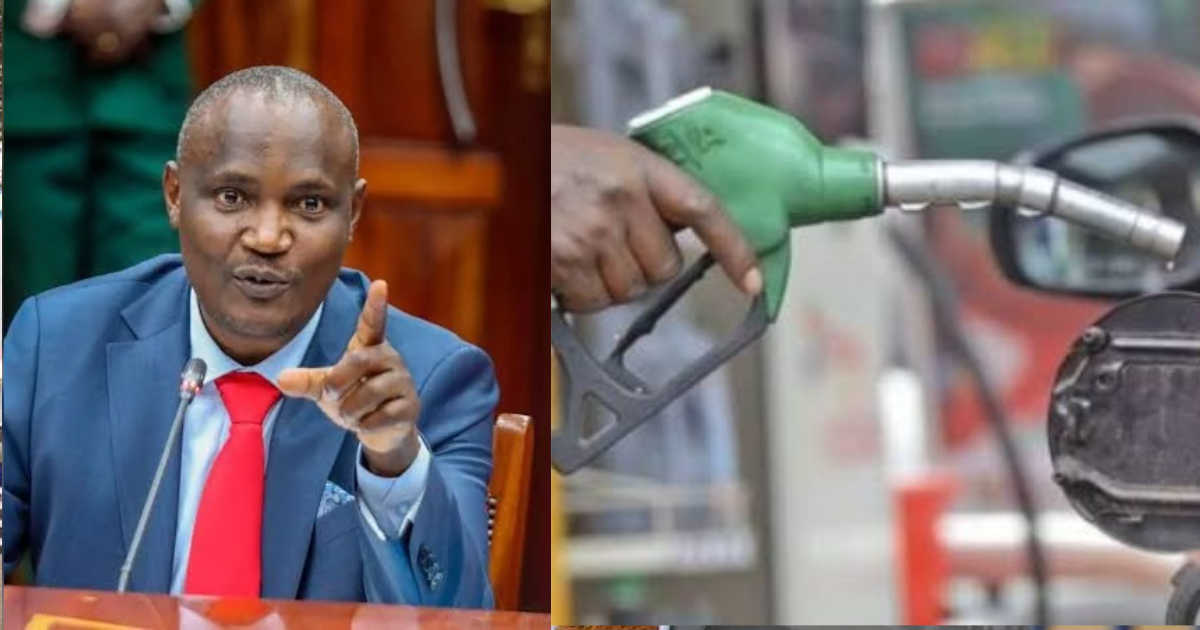
Kenyans struggling under high energy costs may soon get a reprieve as the National Treasury signals an upcoming reduction in fuel prices in Kenya for the November-December pricing cycle.
Speaking during an interview on Ramogi FM, Treasury Cabinet Secretary John Mbadi revealed that the government plans to draw on the Petroleum Development Levy (Stabilisation Fund) to cushion consumers and bring down pump prices in the next review.
Why the Government Skipped the October Subsidy
Addressing the sharp adjustments witnessed in the previous pricing review, CS Mbadi explained that the government deliberately held back from tapping into the fund in October to build a war chest ahead of the harsh winter season.
“When we noticed that the stabilisation fund was declining, we decided not to use it during the latest fuel price review. European nations and other Western countries are heading into winter, a period when energy demand typically spikes globally,” Mbadi stated.
With colder months approaching in the Northern Hemisphere, rising international energy demand threatens to drive up landed petroleum costs worldwide. Preserving the stabilization fund ensures Kenya has adequate buffer capital to insulate citizens from global price surges.
How the Fuel Subsidy Mechanism Works
The Cabinet Secretary also shed light on how the government intervenes to protect local consumers from international market shocks:
- Direct Marketer Support: The government disburses funds from the subsidy kitty directly to oil marketing companies to offset high landing costs.
- Price Cushioning: By absorbing a portion of the international price hikes, suppliers maintain lower retail rates without passing the full financial burden onto motorists and households.
- Levy & VAT Adjustments: Alongside Value Added Tax (VAT) measures, the fund acts as a primary lever to keep fuel prices in Kenya predictable and manageable.
“We want to prevent sharp increases in fuel prices. In addition to VAT, the government sets aside funds to help stabilise prices through subsidies paid to fuel suppliers, allowing them to maintain prices without passing full cost increases on to consumers,” Mbadi added.