Getting an F-1 student visa is only the first step of a much longer journey if your real goal is to build a career and eventually settle in the United States. The path from student to permanent resident is real, well-traveled, and — for Kenyan applicants specifically — considerably faster than the horror stories you may have heard about Indian or Chinese applicants waiting decades. Here’s the full pipeline, one stage at a time.
The Quick Answer
The F-1 visa itself doesn’t lead directly to a green card — it’s a “single intent” visa, meaning you’re expected to show you intend to return home after your studies. But in practice, many students move through a well-established sequence: F-1 → Optional Practical Training (OPT) → H-1B work visa (or an alternative like O-1) → employer-sponsored green card petition → permanent residency. For Kenyan nationals, the biggest practical advantage is that employment-based green card categories aren’t backlogged for most African countries the way they are for India and China, meaning your wait at the final stage is typically measured in months to a couple of years, not decades.
Stage 1: The F-1 Visa Itself
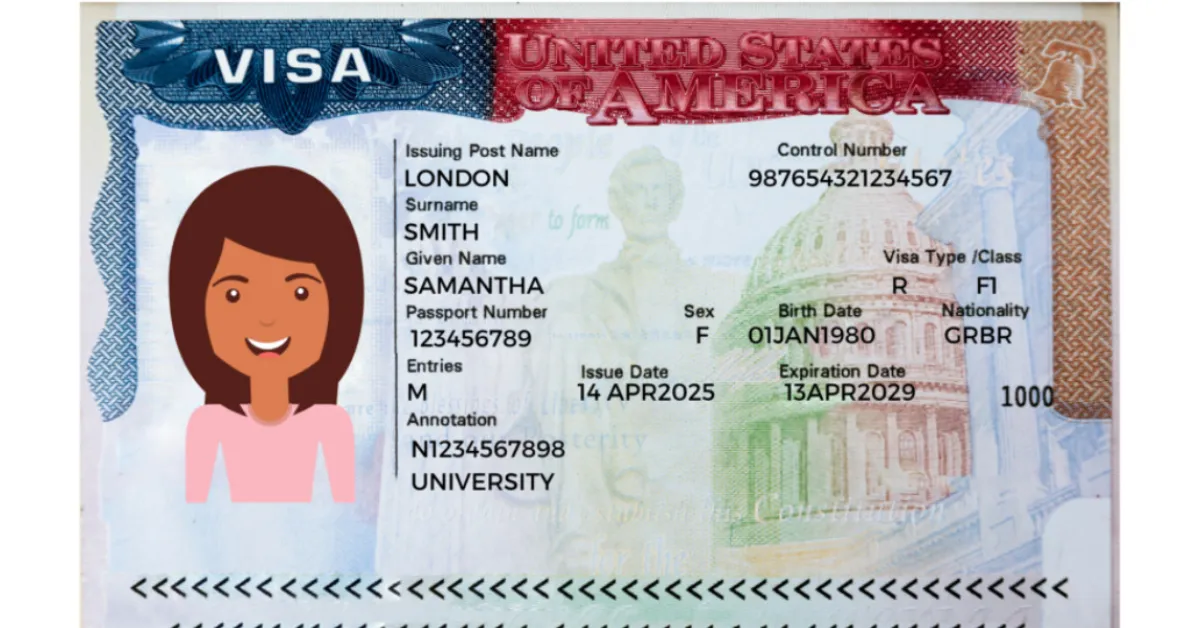
Getting your F-1 starts with acceptance to a SEVP-certified US school, which issues your Form I-20. From there:
- Pay the SEVIS I-901 fee (currently $350).
- Complete the DS-160 online application.
- Attend your visa interview at the US Embassy in Nairobi.
- Be ready to demonstrate strong ties to Kenya and a genuine intent to return after your studies — this is the most common reason for refusal, under section 214(b) of the Immigration and Nationality Act, and it’s worth taking seriously rather than treating as a formality.
A significant 2026 change to watch: F-1 students have historically been admitted for “Duration of Status” (D/S), meaning your authorized stay was tied to your program length with no fixed end date. A rule replacing this with a fixed admission period (matching your program length, up to a maximum of around 4 years) plus a 30-day grace period has been under active development in 2026. As of the most recent information available, this hadn’t been fully implemented, but it’s close enough to taking effect that every F-1 student and prospective applicant should track this through official USCIS and Federal Register updates rather than assume the older D/S rules will still apply by the time you arrive.
Stage 2: Work Authorization While Studying and After
Your ability to work legally in the US builds up in layers:
- On-campus employment — generally allowed from the start, with hour limits during the school term.
- Curricular Practical Training (CPT) — work tied directly to your curriculum (internships, cooperative education), requiring your Designated School Official’s (DSO) authorization.
- Optional Practical Training (OPT) — up to 12 months of work authorization after graduation, in a field related to your degree, requiring an Employment Authorization Document (EAD).
- STEM OPT Extension — if your degree falls under a STEM-designated field, you can extend OPT by an additional 24 months (36 months total), but this requires your employer to be enrolled in E-Verify and to complete a formal training plan (Form I-983) with you.
This OPT/STEM OPT period is where most students look for an employer willing to sponsor their next step — typically the H-1B.
Stage 3: The H-1B Lottery
The H-1B is a specialty occupation work visa and the most common bridge between OPT and a green card, but it’s capped and selected by lottery:
- Annual cap: 65,000 regular slots plus an additional 20,000 reserved for those with a US master’s degree or higher.
- Registration fee: currently $215 per registration, paid by the sponsoring employer.
- Selection: a random lottery among registered candidates, not first-come-first-served — meaning even a fully qualified candidate with a willing employer isn’t guaranteed a slot.
- Cap-gap extension: if your OPT expires before your H-1B start date and your employer filed a timely, selected petition, cap-gap provisions can extend your work authorization to bridge the gap — the exact mechanics of this have been adjusted in 2026, so confirm current cap-gap timing with your DSO or an immigration attorney rather than relying on older explanations.
If you’re not selected in the H-1B lottery, you’re not necessarily out of options — the O-1 visa (for individuals with demonstrated extraordinary ability or achievement in their field) is uncapped and doesn’t require a lottery, though it has its own high evidentiary bar. Some students also pursue a direct EB-2 National Interest Waiver (NIW) or EB-1A green card petition without needing an H-1B as an intermediate step at all, if their achievements and field genuinely qualify.
Stage 4: The Green Card Petition Itself
Once you have an employer willing to sponsor you (through H-1B, O-1, or another qualifying status), the green card process itself generally runs through:
- Form I-140 (Immigrant Petition for Alien Worker) — your employer files this to establish the basis for your green card category (commonly EB-2 or EB-3 for most Kenyan applicants).
- Priority date and visa bulletin wait — this is where per-country backlogs matter enormously, and where Kenyan applicants have a real structural advantage.
- Form I-485 (Adjustment of Status) — filed once your priority date is current, allowing you to apply for the green card itself while remaining in the US, or through consular processing if you’re outside the US at the relevant stage.
- Interview and biometrics, followed by approval and green card issuance.
Why Kenyan Applicants Have a Real Advantage Here
This is worth stating plainly because so much online content about the F-1-to-green-card pipeline is written from the perspective of Indian and Chinese applicants, for whom per-country annual caps create backlogs that stretch well beyond a decade in the EB-2 and EB-3 categories specifically. Kenya, like the vast majority of countries, is not subject to those same backlogs. For most Kenyan applicants, once your I-140 is approved and your priority date is current, the wait to file Adjustment of Status is typically a matter of months to a couple of years, not decades. This is a genuine, structural difference — worth knowing so you don’t assume the worst-case stories you’ve read online about multi-decade waits apply to you the same way.
Staying in Status: The Part Most Students Underestimate
A huge share of avoidable immigration problems come from compliance mistakes, not eligibility issues:
- Never work without current authorization — even a short gap between one work authorization ending and the next beginning can jeopardize your status.
- Keep your SEVIS record accurate and current through your DSO — address changes, program extensions, and employer changes all need to be reported.
- Understand your grace periods — OPT ending gives you a 60-day grace period to depart, change status, or begin an approved next step; know this date and plan around it rather than discovering it after the fact.
- A single period out of status can complicate a later change of status, sometimes requiring you to leave the US and reapply from abroad rather than adjusting status domestically.
Other Pathways Worth Knowing About
- Marriage to a US citizen or lawful permanent resident is a separate, unaffected pathway to a green card if applicable to your situation — it runs on its own timeline independent of the employment-based process described above.
- The Diversity Visa Lottery is currently paused as of this writing — see our full breakdown of the DV suspension and what it means for Kenyans if that’s part of your broader planning.
A Necessary Disclaimer
This guide explains the general structure of the F-1-to-green-card pathway based on current USCIS rules and reporting at the time of writing. US immigration law changes quickly — the F-1 duration-of-status rule alone illustrates how much can shift within a single year — and individual circumstances (prior visa history, field of study, specific employer situation) can significantly affect your options. This is not legal advice. Talk to your school’s international student office (your DSO) for day-to-day status questions, and consult a licensed US immigration attorney before making major decisions about work authorization, status changes, or green card strategy.
Bottom Line
The F-1-to-green-card path is real and well-traveled for Kenyan students, and the structural advantage of not facing India- or China-level backlogs is genuinely significant once you reach the green card petition stage. The bigger risk for most students isn’t eligibility — it’s compliance: missed deadlines, gaps in work authorization, or SEVIS record errors that can derail years of otherwise solid progress. Plan each transition (OPT deadline, H-1B timing, cap-gap coverage) well before you need it, not after.
This guide reflects US immigration rules and reporting current as of mid-2026. Given how quickly these rules shift, always verify current requirements directly at uscis.gov before making decisions based on this information.