
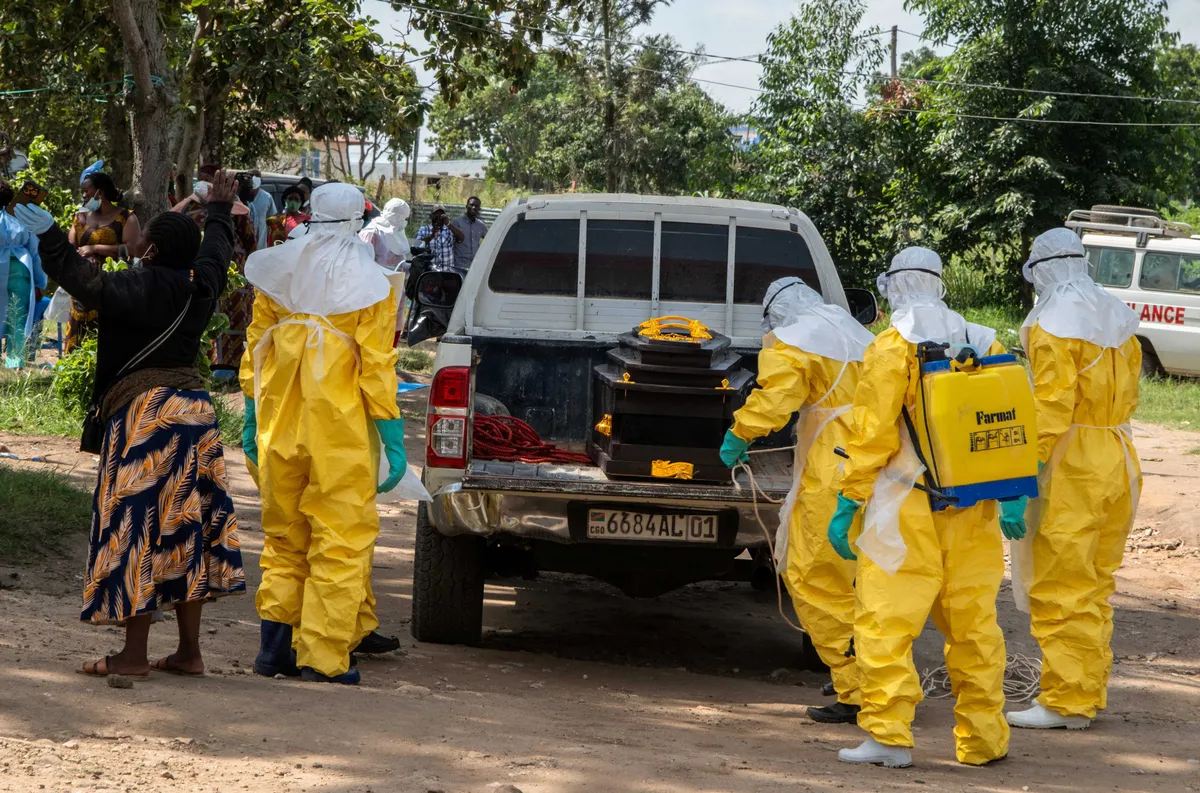
The Trump administration is finalising plans to establish a quarantine and treatment facility in Kenya for American citizens who have been exposed to the Ebola virus, in a major departure from how previous US administrations have handled such outbreaks.
The plan, first reported by the New York Times and Wall Street Journal and confirmed by multiple sources familiar with the planning, would see dozens of US Public Health Service officers deployed to Kenya to staff the facility, which is being set up through a coordinated effort between the State Department, the Defense Department, and the Department of Health and Human Services.
A Break With Past Practice
In previous Ebola outbreaks, Americans who were exposed or fell ill were repatriated to the United States for treatment in specialist biocontainment units. This administration has already broken that pattern—flying one American doctor who developed symptoms to Germany and transporting six others to Germany and the Czech Republic for monitoring.
The initial Kenya plan called for monitoring only, with symptomatic patients to be transferred to Europe. However, according to two people with knowledge of the planning, treatment will now also take place at the Kenya facility. Each case will be individually evaluated to determine whether more advanced care is required.
Why Kenya?
Kenya has been identified as a practical regional hub due to its relatively stable infrastructure, international airport connections through JKIA, and the fact that it has not reported active Ebola transmission. The country sits close to the outbreak zone in the Democratic Republic of Congo and Uganda, making it a logistically convenient staging point for managing exposed Americans without repatriating them to the US.
Critically, the facility still requires final approval from the Kenyan government before it can be operationalised. Health Cabinet Secretary Aden Duale has said Kenya has intensified its preparedness and surveillance to block the importation of the virus into the country.
The Outbreak: Third Largest on Record
The Ebola outbreak in the DRC involves the Bundibugyo strain, for which there is currently no approved vaccine or specific treatment. The WHO has declared it a public health emergency of international concern. CDC data shows 906 suspected cases and 105 confirmed cases in the DRC, with 223 suspected deaths and 10 confirmed fatalities. Uganda has reported seven confirmed cases and one death, with most infections linked to the initial DRC cases.
Health officials and experts have warned that the Trump administration’s cuts to USAID and CDC-funded disease surveillance networks slowed early detection and containment of the outbreak, allowing it to balloon rapidly in the days following its announcement.
Title 42 Travel Restrictions
Last week, the Trump administration invoked a public health law known as Title 42 to bar non-US citizens — including legal permanent residents — who had been in the DRC, Uganda, or South Sudan within the previous 21 days from entering the United States. The move underscores the administration’s intent to manage the outbreak response from outside US borders.
The move poses a huge security threat to Kenya, which has a population of 57 million people.
Many Kenyans are urging the government not to accept the deal since Kenya will have many Ebola cases once a quarantine center is set up.